More blogs
Locked Off, Not Held Back: Pre-rendered virtual sets for the Vizrt TriCaster
Lightwell is best known for real-time virtual studios. Tracked camera systems, Unreal Engine environments and hybrid physical and virtual sets for broadcasters such as BBC Sport and ITV are the most visible part of our portfolio. Alongside that work, we have a long record of designing non-tracked, pre-rendered virtual sets. Most of them are built for the Vizrt TriCaster.
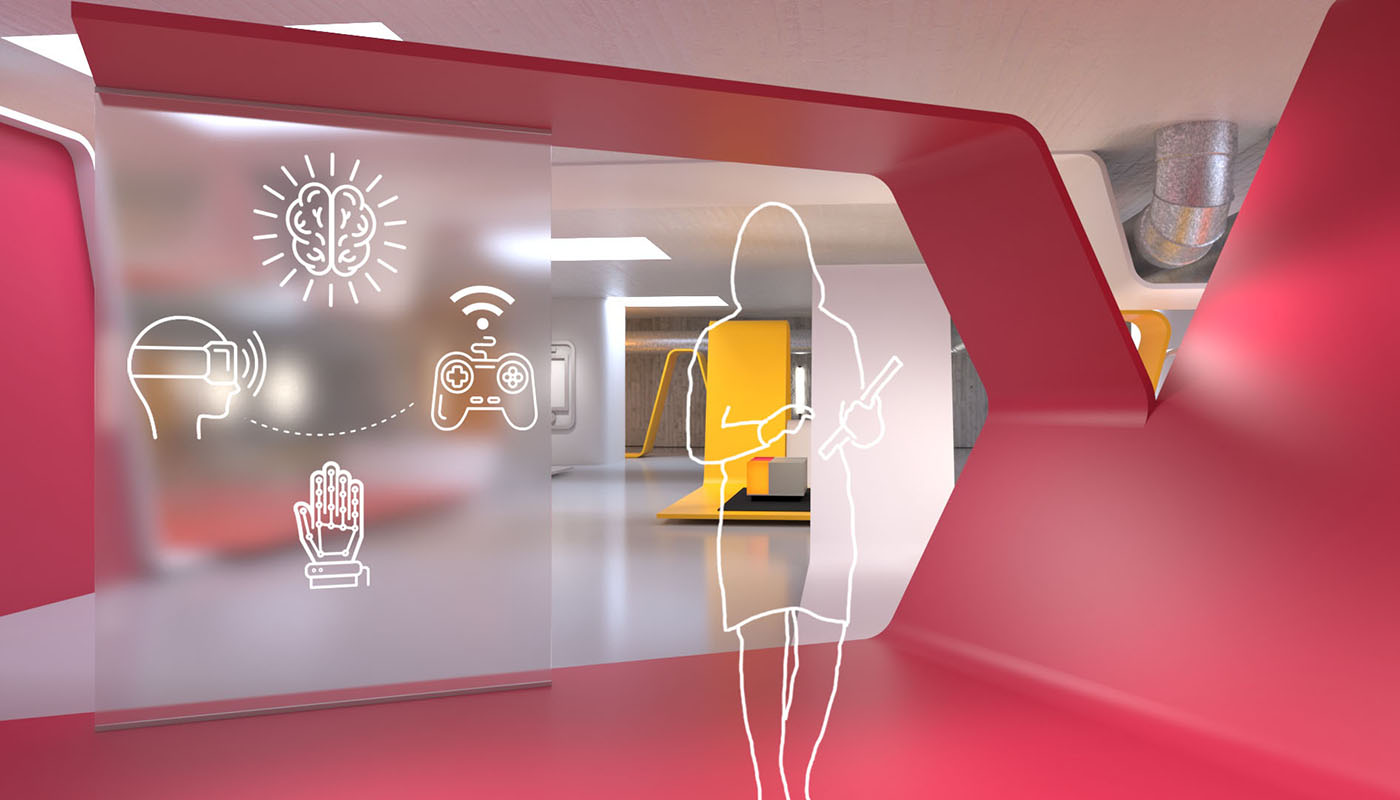

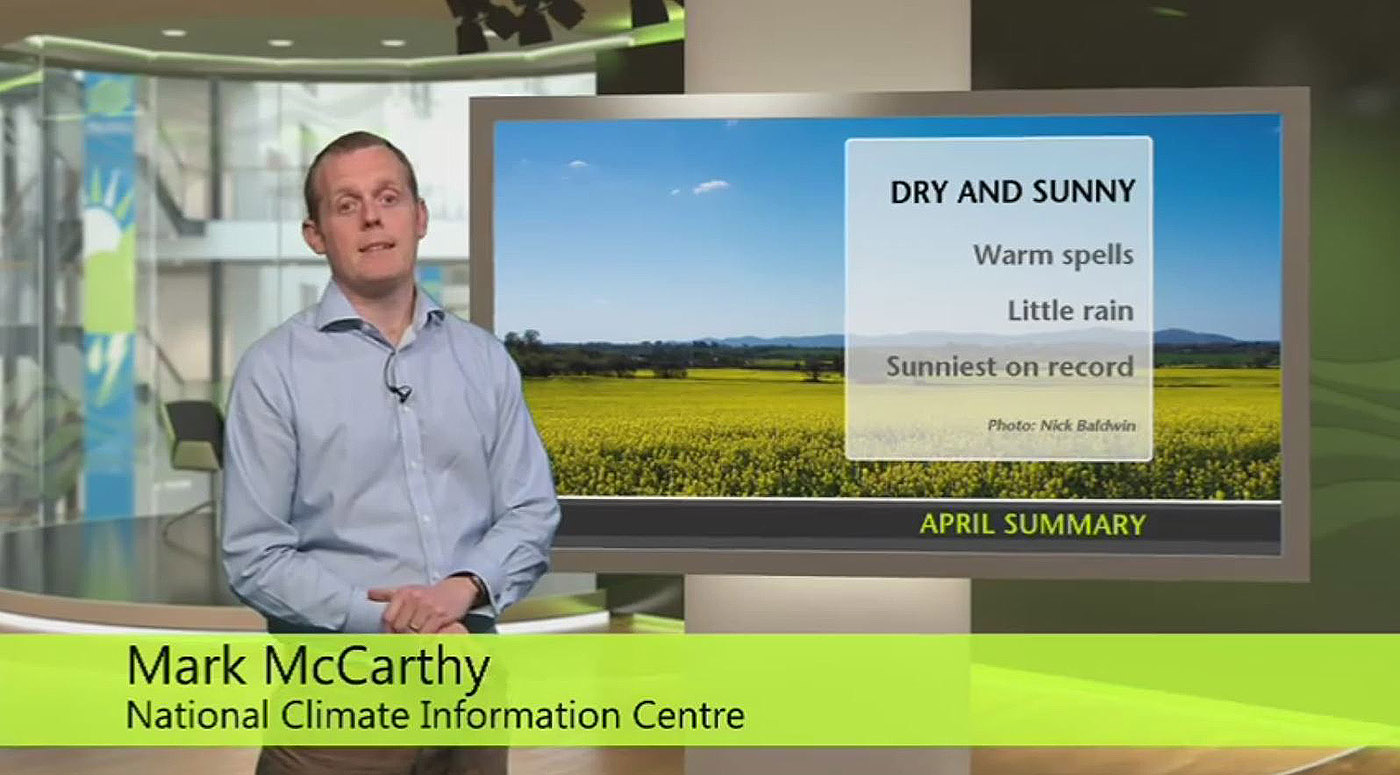
The clients for this work vary a lot. We have built sets this way for broadcasters such as Fox Sports and Radio Free Europe/Radio Liberty (RFE/RL), for sports franchises like Manchester United's MUTV, for broadcast partners such as the Met Office, and for corporate clients including PwC. Their briefs differ, but they usually choose this approach for the same reasons.
Why the TriCaster
The TriCaster puts a whole production system in a single unit. It costs little to set up and needs a small crew, often a single operator. It takes several camera inputs and can cut between wide shots, two-shots and close-ups the way a full gallery would. It works just as well for live transmission as for pre-recorded content. For a studio that needs regular, professional output without the overhead of a broadcast facility, that combination is hard to beat.

The obvious limitation is that the cameras cannot move. With no tracking, each camera is locked off and the virtual set is rendered to match its fixed position. But taking tracking away also takes away a whole layer of calibration, hardware and technical support. The pipeline gets simpler and more reliable. That suits smaller studios and non-broadcast clients, who need a set that works every time without a specialist on hand.
The rendering advantage
Because these sets are pre-rendered, a real-time engine doesn't limit what we can do. We prepare them in conventional rendering packages, the same tools used in architectural visualisation and film. These give us a wider range of materials and more sophisticated lighting than real-time renderers can currently match.
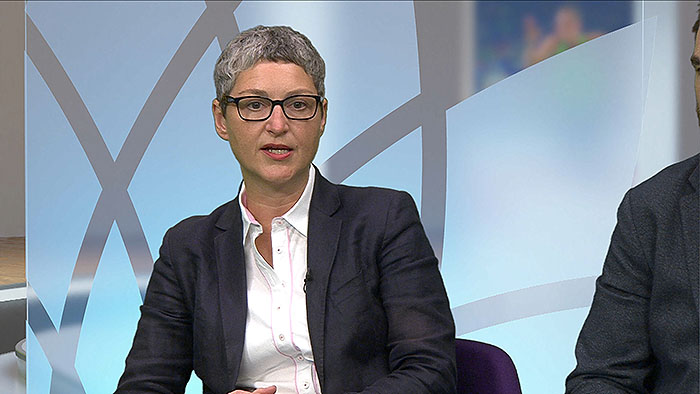
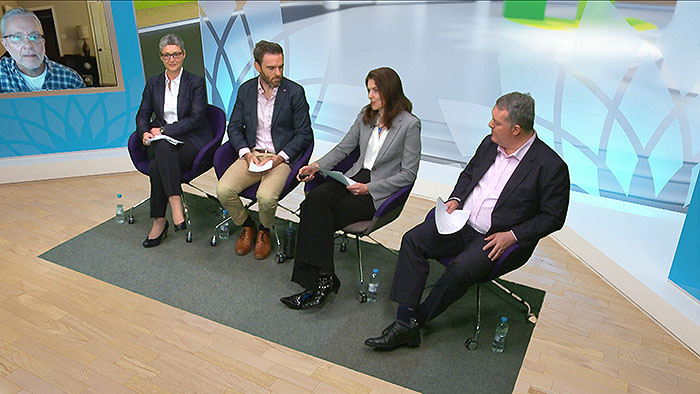
Frosted glass is a good example. Diffused, softly lit glazing is hard to render convincingly in real time. In a pre-rendered set we can treat it with the subtlety you would expect in a finished building. The same goes for layered reflections, soft shadows and the way light falls across different surfaces.
Designing for a fixed camera
A locked-off camera does not offer the freedom of a tracked system, and we won't pretend otherwise. What it demands is more careful design. A well-composed set creates depth through layering, framing and sightlines. It draws the eye through foreground, midground and background so that each shot has its own sense of space. Done properly, this gives the viewer enough visual interest that nobody misses a roving camera, which would in any case need its own operator.
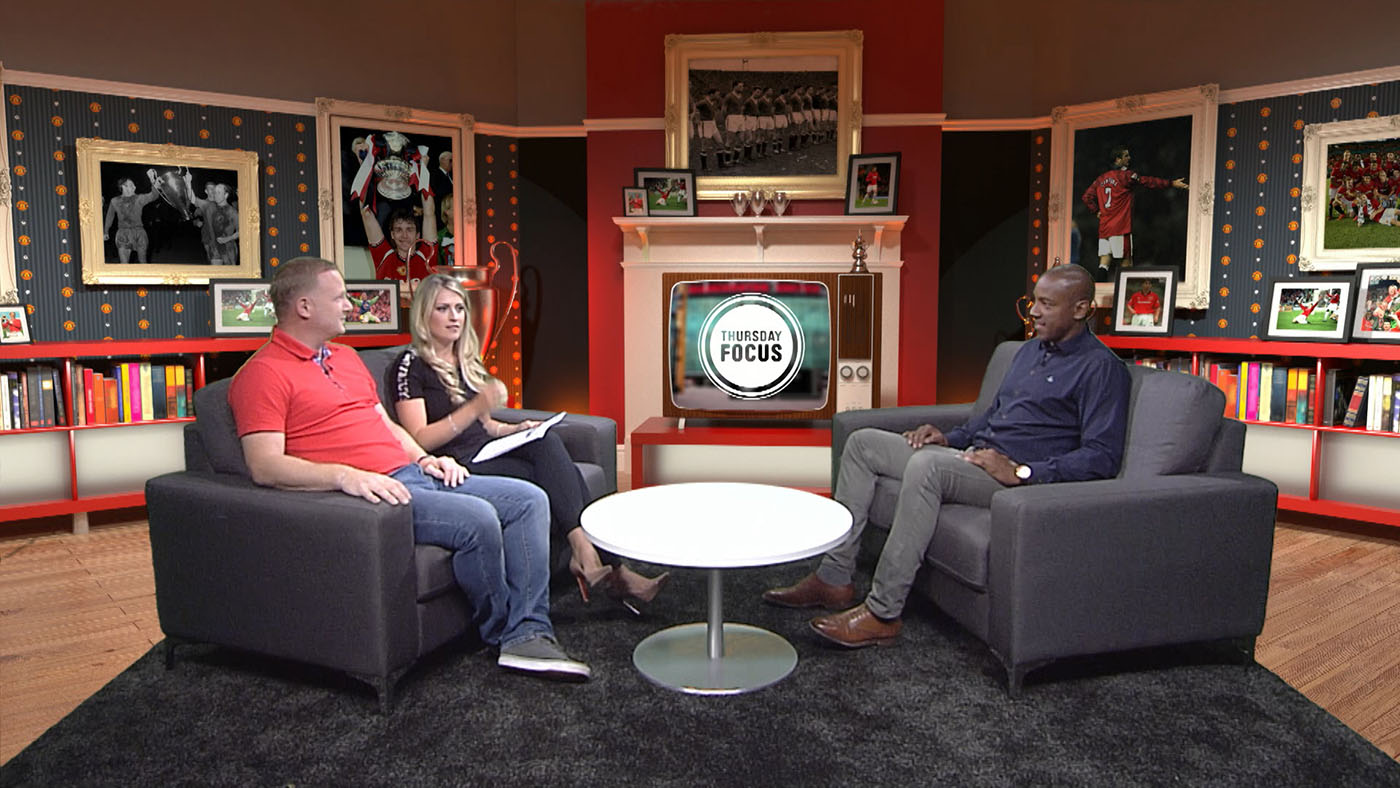
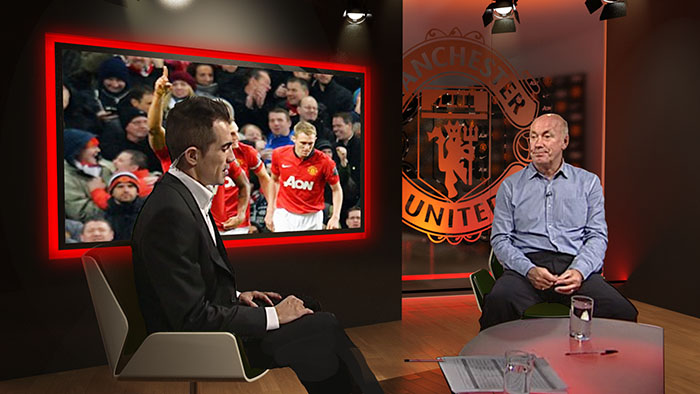
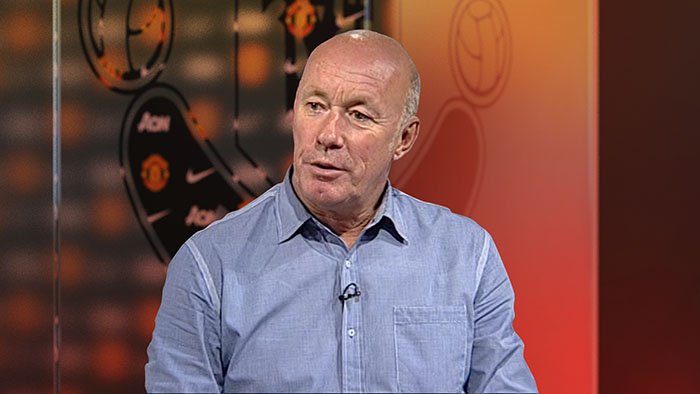
The process differs from our high-profile real-time work. We compose each camera angle almost as an architectural perspective, designing the set around a known set of views rather than an environment that has to hold up from any angle. The principle underneath is the same, though. Every set is designed to reach the highest visual quality we can deliver for the client.
PwC
Our work for PwC shows how much range the format allows. We have created a series of sets with very different characters. The main set draws on PwC's own high-specification offices, with refined materials and a calm palette that feels like an extension of the firm's working environment.
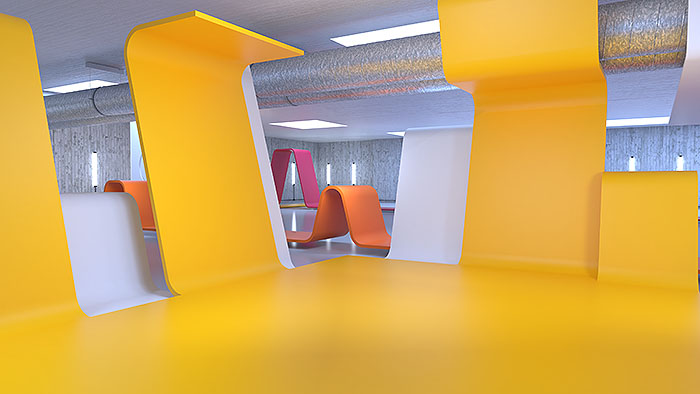
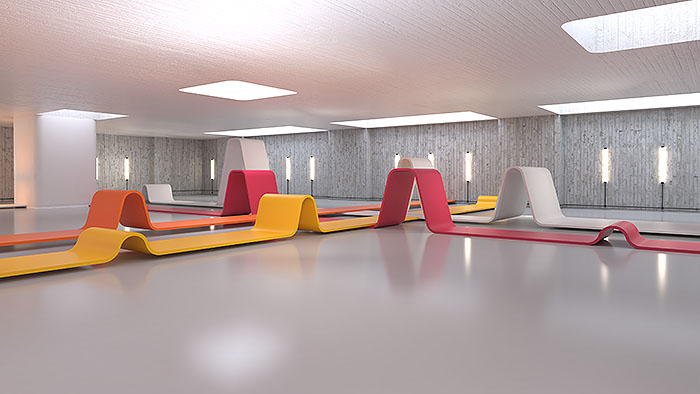

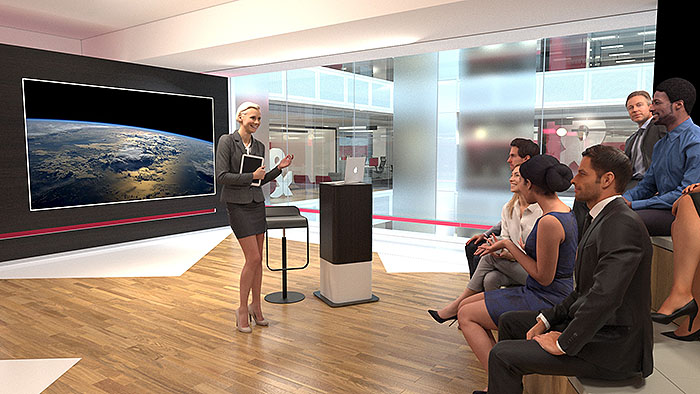
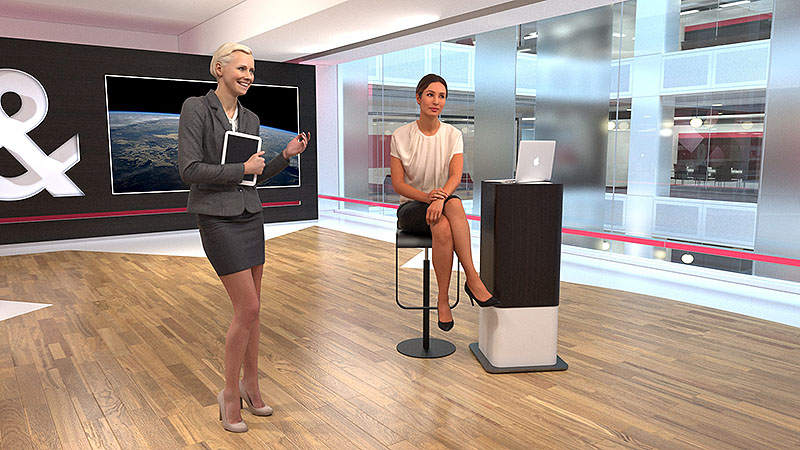
Other sets make more of the PwC colour palette to create abstract environments for particular sub-brands, including programming on technology investment. These are less literal and more graphic. They give each strand of content its own identity while staying recognisably part of the same organisation.
Fox Sports
The Fox Sports set shows that a TriCaster production can match the visual fidelity of a major studio build. From a limited studio footprint, the set delivers the scale, finish and detail an audience expects from a flagship sports programme. Nothing on screen suggests that the physical space behind it is modest.

RFE/RL
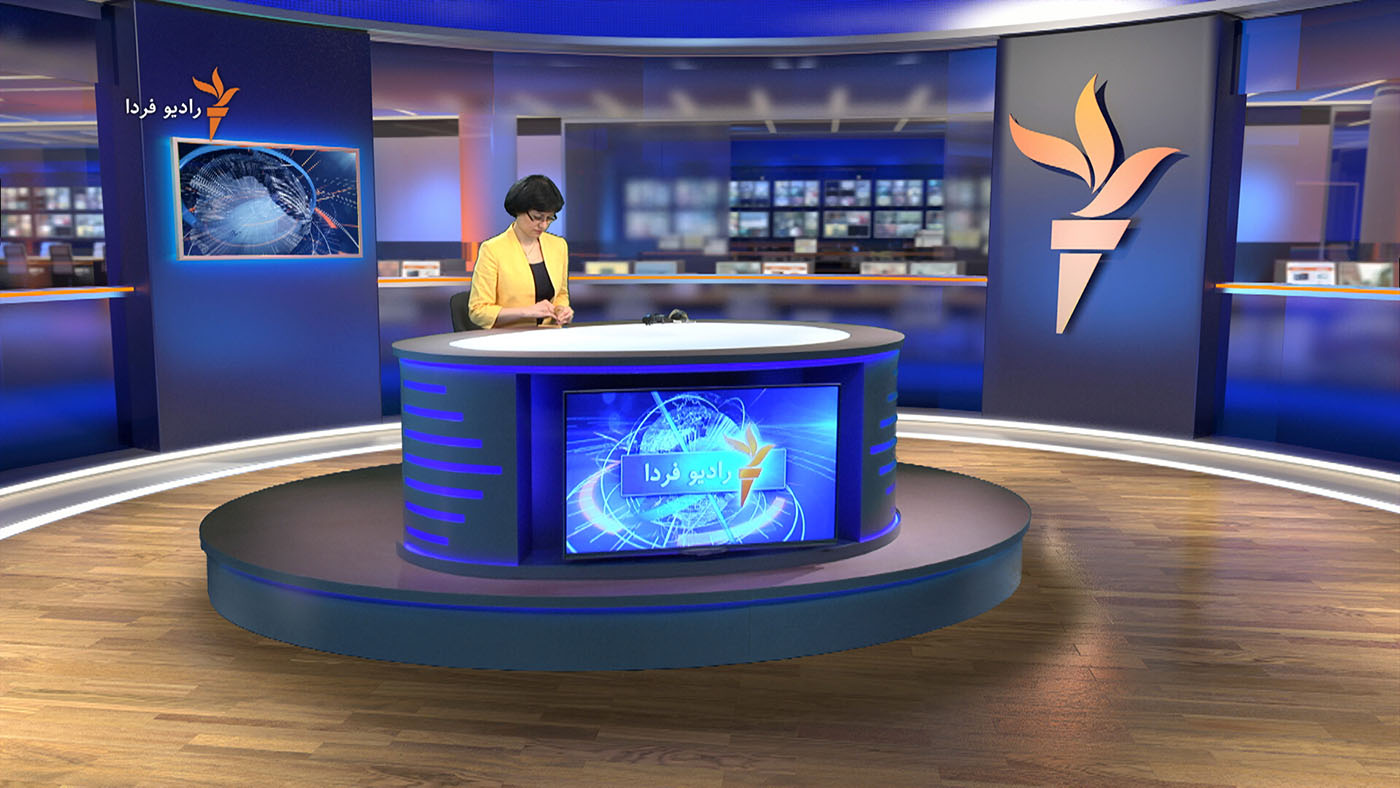
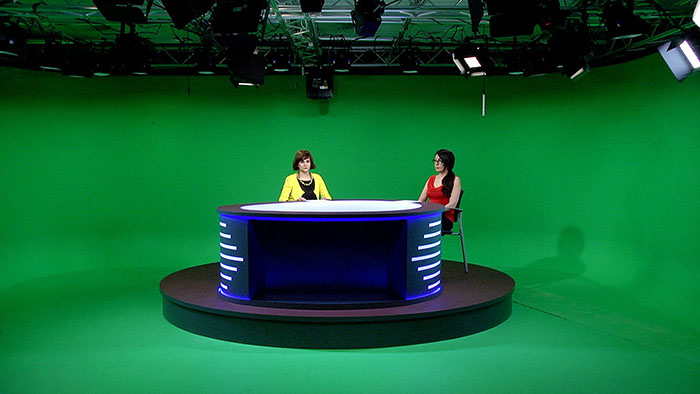
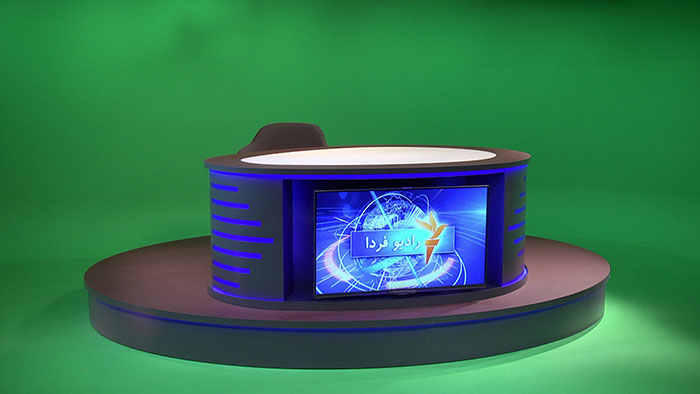
For RFE/RL, the brief was to convey the energy of a working newsroom and a busy gallery from a compact greenscreen studio. The set places presenters in front of a newsroom, with a production gallery visible beyond, which gives the impression of a much larger operation. It shows what a pre-rendered set can do when the design starts from what the audience needs to believe.
Budget-conscious, not budget-looking
A smaller, more economical setup doesn't have to produce a set that looks economical. Every pre-rendered set we make gets the same design thinking and attention to material, light and composition as our largest broadcast projects. Some organisations want a studio with real integrity and polish, but without the cost and complexity of a tracked system. The TriCaster approach is a strong alternative for them, and Lightwell designs it to the same standard as everything else we do. If you are planning a studio on this scale, we would be glad to talk about what it could become.

Lightwell designs virtual sets and virtual production environments for major broadcasters and global sporting events. Combining architectural design thinking with deep technical fluency, we create environments that are visually compelling, editorially flexible, and built to perform live. Clients include BBC, ITV, CNA, Bloomberg, Sky, and Discovery.
Read more