More blogs
Be Curious. Generative AI Is A Tool, Not A Crutch.
AI covers a lot of ground, so to be clear, when I talk about AI here I’m mainly referring to generative AI.
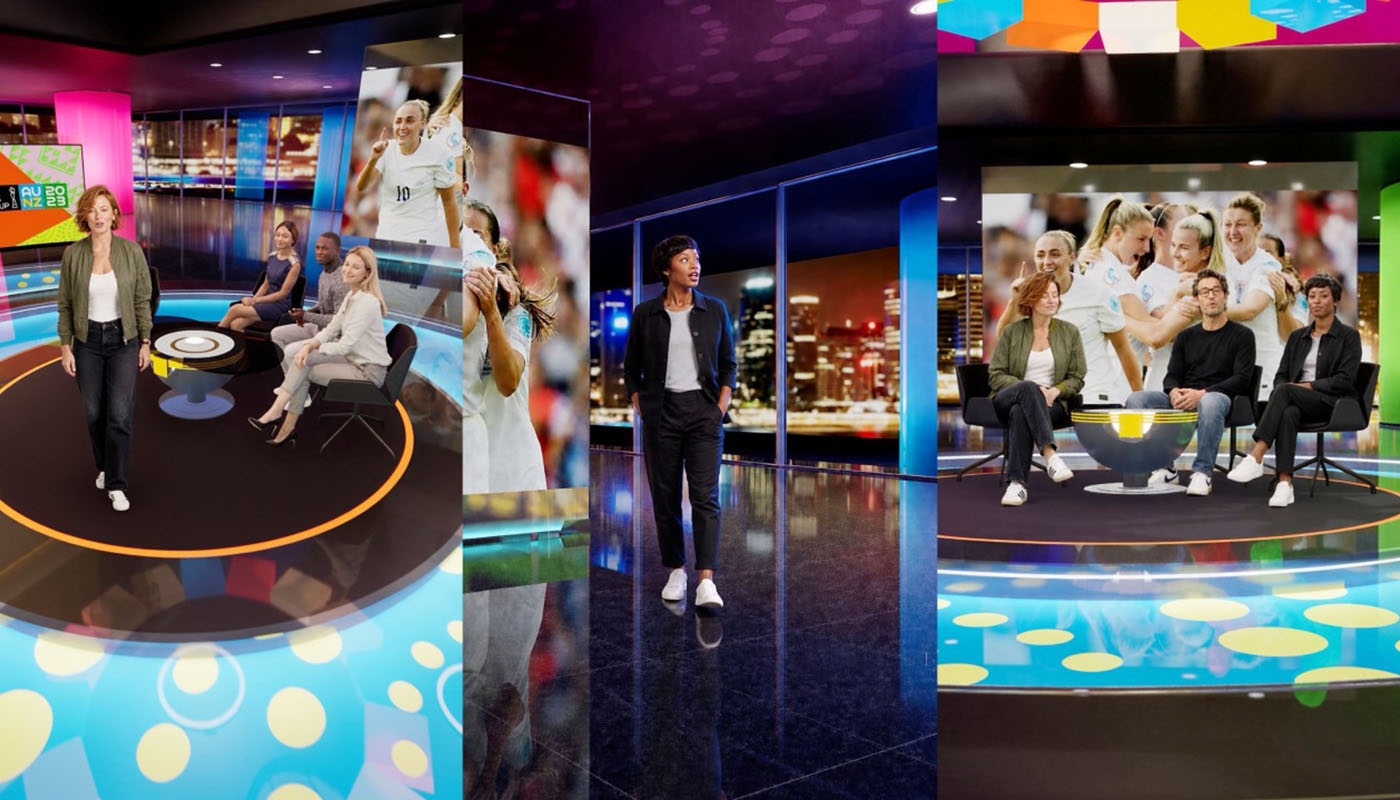

It may be the most polarising technology of our time, and the reasons to oppose its use in the creative industries are easy to find. It is owned and controlled by a handful of unnacountable billionaires. It has been trained on data scraped indiscriminately from other people’s work. And it depends on ever larger data centres with an environmental footprint to match.
For creatives, the concerns are more direct. Who owns the IP of anything we create with it? And if I combine my own work with AI, does that work end up in the next training set?
There is another question that rarely gets asked, and it should be at the forefront of any designer’s thinking. What happens to a project if the app, tool or model we’ve come to rely on is switched off, or we lose access to it and to our work?
So why use generative AI at all? That one is easy to answer. It is an incredibly powerful creative tool. It lets us test and refine ideas quickly, and with practice it can deliver high visual quality. Being able to fail quickly is at the root of more efficient design.
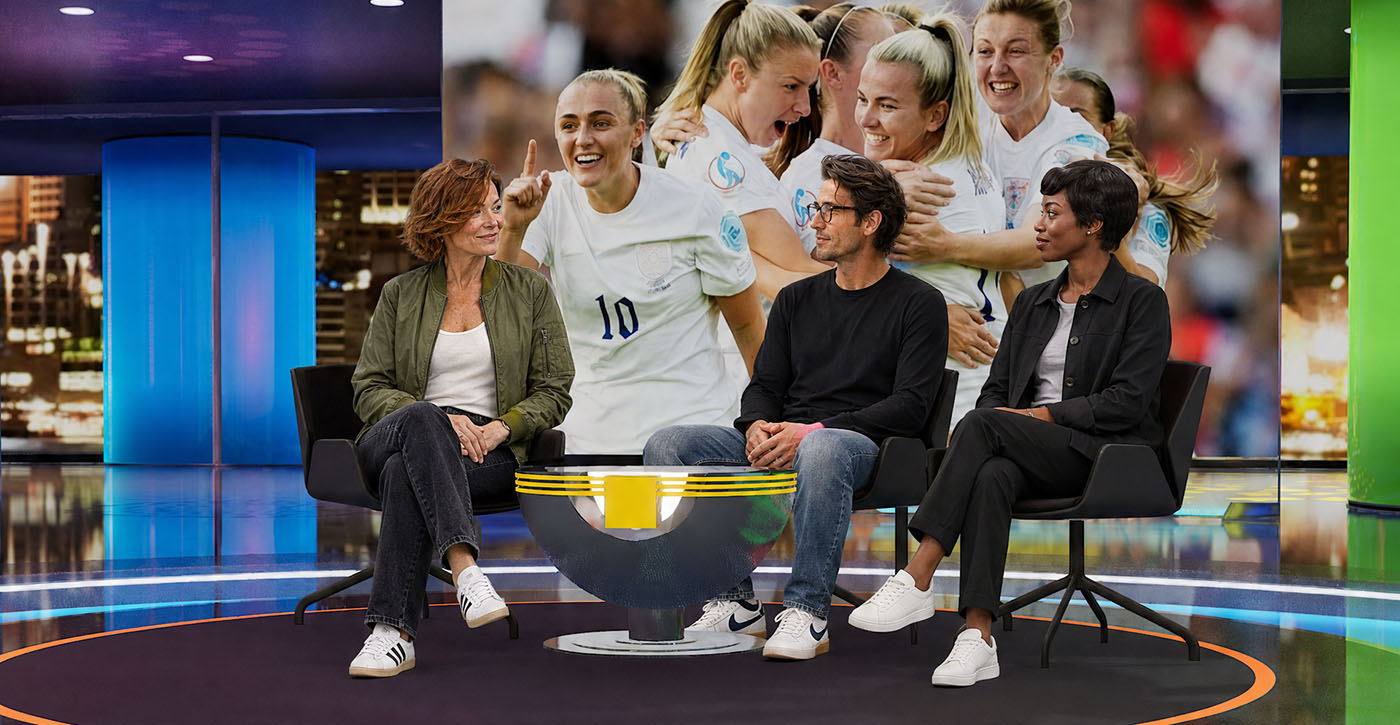
At Lightwell, I’ve been using Runway to develop concept presentations. It generates short animated clips from still images, which is a real time saver. I’ve also added photoreal actors who speak to the viewer, replacing the static, rendered 3D characters we would normally use. They immediately suggest movement, choreography and direction, so a client can picture how a set will work on air, not just how it looks. And I’ve used Claude to help me write and edit this article. In both cases the ideas, the judgement and the final decisions are mine.
That is the key point, though. It is a tool, not a crutch, and we should treat it the way we treated CAD, 3D modelling, rendering and digital editing before it. Designers need to drive the creative process, because that’s the only way we will keep producing innovative work.
Any creative who delegates creativity to generative AI will soon flounder and produce derivative work. We are good designers because we have a finely tuned visual and emotional response to new work, and that is the most valuable and irreplaceable part of the process. Appraising, judging and directing creative iterations is the very thing that drives us. A real designer would never hand that over.
Will it replace people, jobs and careers? Inevitably some, but it will also create new ones. Like every industry, ours has gone through waves of disruption whenever a new technology arrived.
I started out as an architect producing drawings by hand, and picked up CAD in the early 1990s. In 1994 I did short courses in Redcar alongside men in their 30s and 40s who had lost their jobs in the chemical and steel industries. Manual drawing was something they excelled at, and to them CAD was unnecessary. They didn’t get it. It was a brutal lesson to witness. The direction had already been set, and being good at the old way of doing things was no protection.
I was young, curious, just back from working in Hong Kong, and could see which way the wind was blowing. To me it was a tool, and one full of potential. The craft was different, and how we understood scale changed overnight, but the purpose of the finished drawing was exactly the same, and CAD meant we got there a lot quicker. Once you’d experienced Erase and Undo, a razor blade and a yellow rubber were just plain stupid.
At university I took every chance to develop CAD into 3D, then added rendering and Photoshop. Those skills are the foundation of all the design work I do today.
I believe we are in a similar but more extreme phase now. Ignoring generative AI won’t make it go away. Those who get it, and stay curious, have the opportunity to create things that weren’t possible before. Those who don’t risk being left behind.
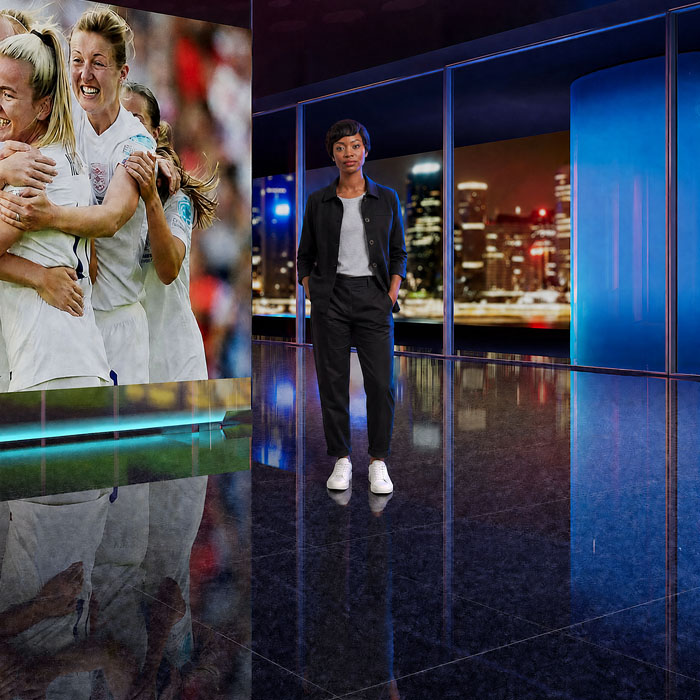

If there is one thing every creative should be when it comes to generative AI, it is curious. If we don’t take the time to explore it, we can be certain our competitors will, and their clients will see the difference.
At Lightwell, we’re developing new AI pipelines to give our clients better results, faster. But every set we deliver is still designed by people who have spent more than two decades creating environments for television.
Jim Mann, Founder of Lightwell
This article was originally published on LinkedIn 15/10/2026
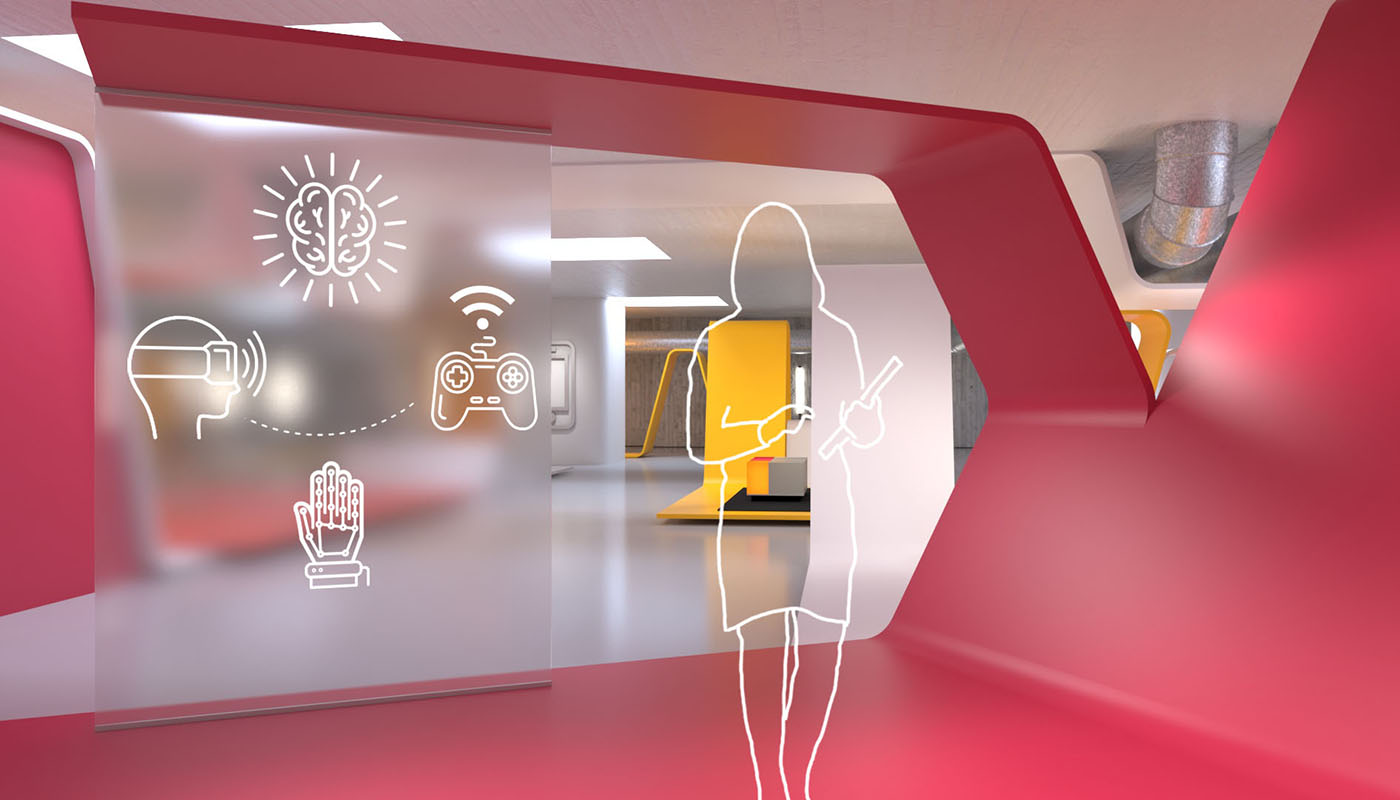
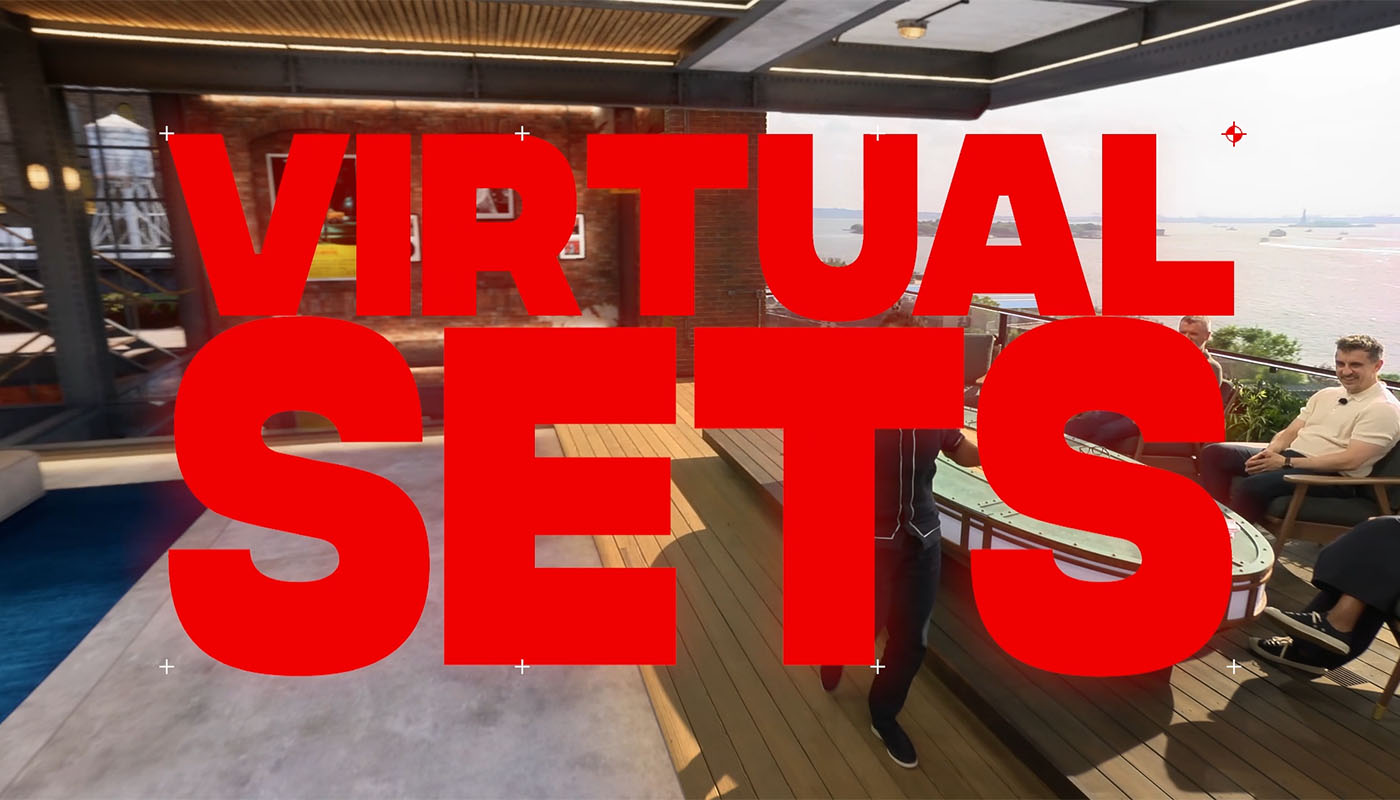
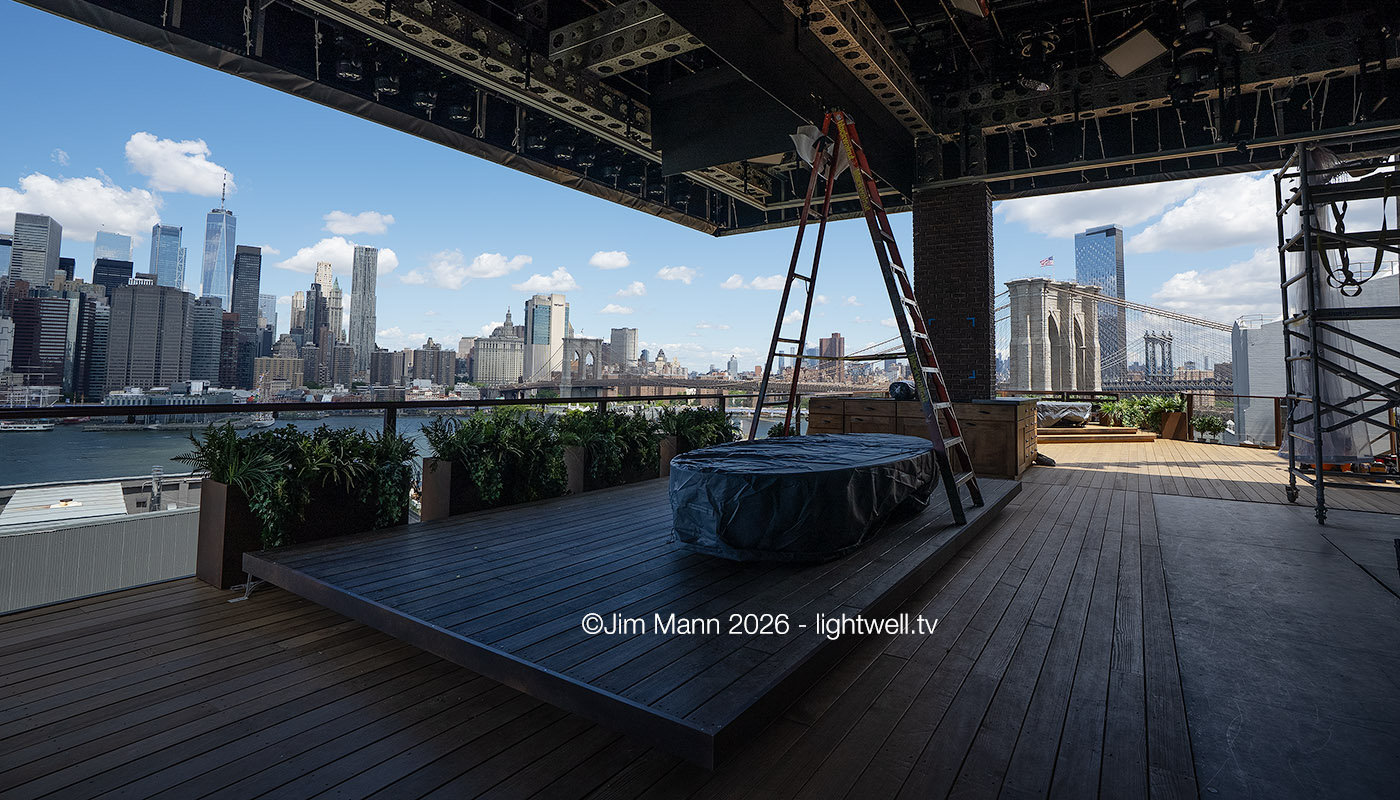

Lightwell designs virtual sets and virtual production environments for major broadcasters and global sporting events. Combining architectural design thinking with deep technical fluency, we create environments that are visually compelling, editorially flexible, and built to perform live. Clients include BBC, ITV, CNA, Bloomberg, Sky, and Discovery.
Read more