More blogs
How we use generative AI for virtual production at Lightwell (and where we don't)
Every virtual set we design at Lightwell is made by people. Our designers model the geometry, build the materials, light the space and plan every camera angle. We own the IP outright, and we can trace every asset in a scene back to the person who made it. So where does generative AI fit in?


It is a fair question, and one our clients are starting to ask. Broadcasters need to know that what goes on air is theirs to use, with nothing hidden in the scene that could come back to bite them. Here is our answer.
Where we stand
We use AI tools to support research, ideation and production efficiency. AI does not generate or replace our final deliverables. It helps us work with more accuracy, speed and creativity along the way. Every final creative and strategic decision is made by a person.
When we use it, we say so. And every copyrightable deliverable we hand over is human-made.
In practice, that comes down to three things.
1. Ideation
AI lets us test an idea in broad strokes before we commit to it in the model. It can come in at the very start, over a simple blocking model, to explore mood, light and atmosphere. Or it can come later, when we want to try a quick what-if. What if we dropped the whole scene into a forest? Onto a mountainside? Into a city at night?
Fine-tuning colours, materials and time of day is often quicker in Unreal Engine itself, so that is usually where it happens. AI earns its place earlier and wider, giving us a fast read on whether a direction is worth pursuing.
Either way, AI works on top of our design, not instead of it. The geometry, the camera positions and the proportions of the space are all ours. When an idea lands, we build it properly into the model.
2. Concept placeholders
Virtual sets are full of graphic detail. A mural on a back wall. Framed artwork in a green room. A rack of LP covers in a music studio. Before we commit to sourcing or commissioning that work, we need to know whether it belongs in the scene at all.
AI lets us generate quick stand-ins, in the style of a film poster or an album sleeve, and drop them into the set to test scale, colour and mood. If the idea works, we replace it with licensed artwork or commission an artist. If it doesn't, we have lost an hour rather than a budget. No AI placeholder ever makes it to air.
3. Putting people in the picture
Our sets are built to be inhabited. They only really come alive when a presenter is standing in them, walking a line, turning to a screen, finding their mark. For years we used scanned 3D characters to suggest that human presence in our presentations. They did the job, but they never quite convinced.
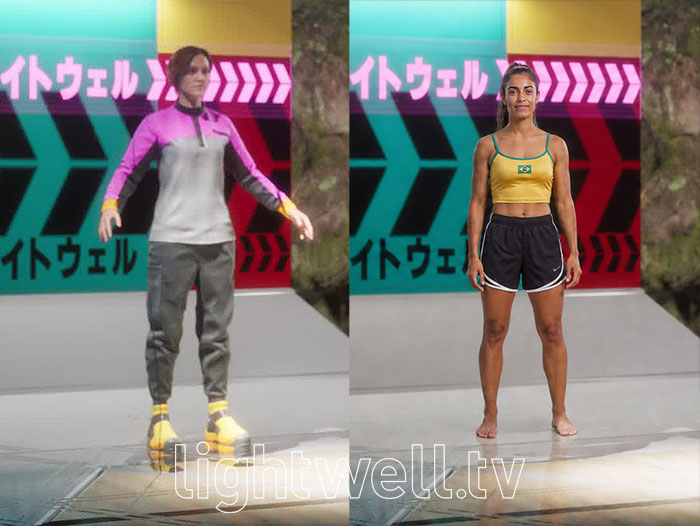
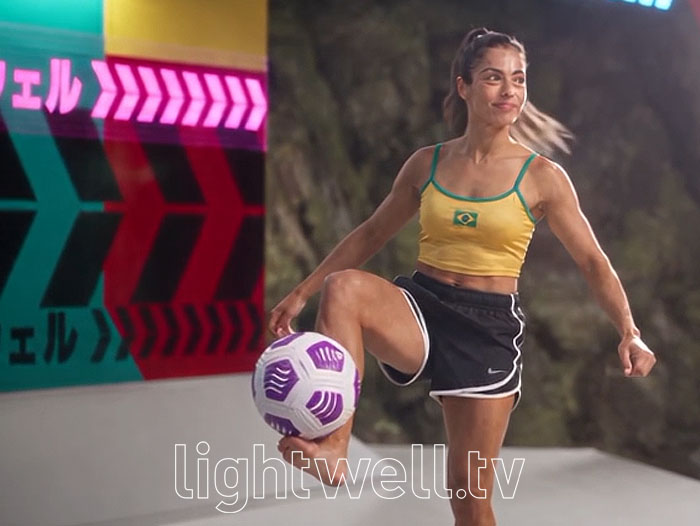
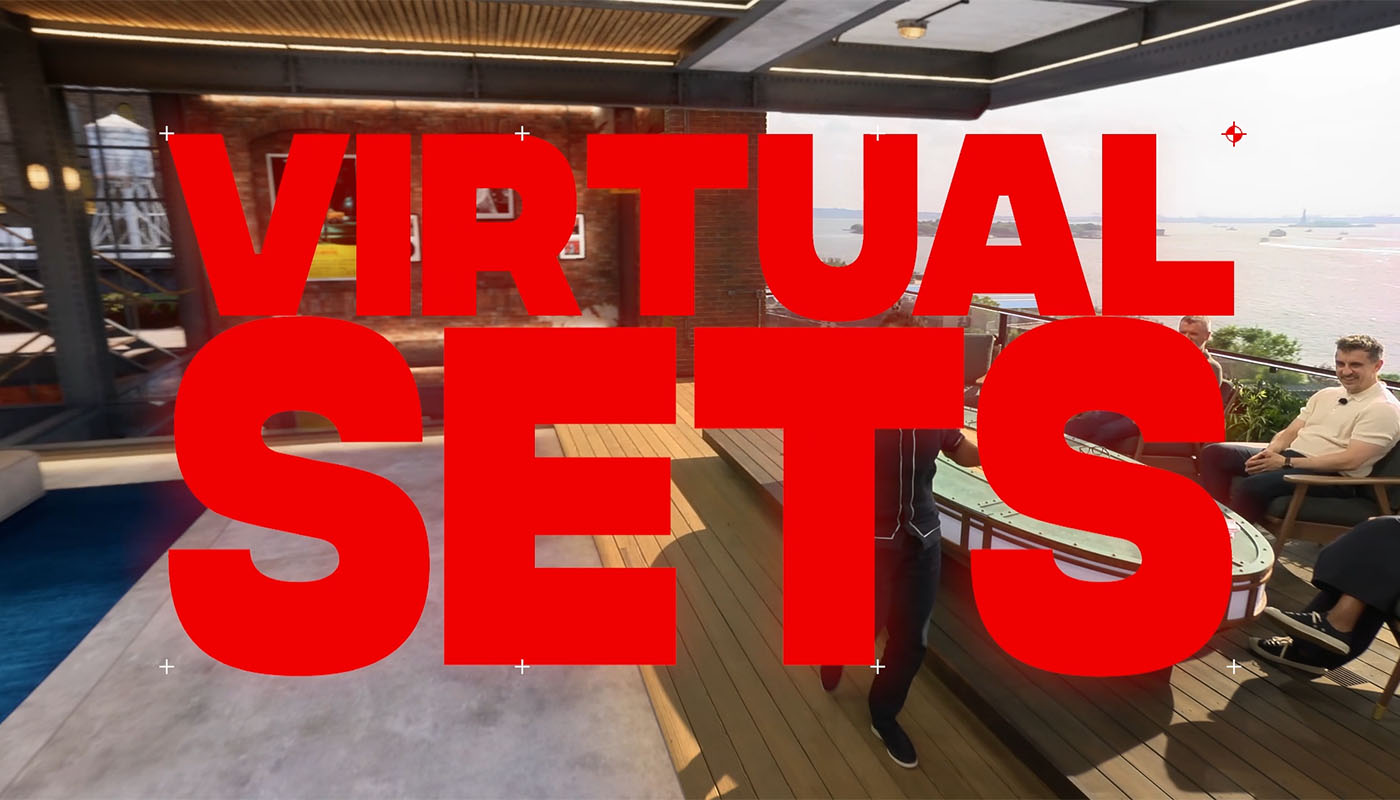
Now we use photoreal AI presenters who walk, talk and present in short video clips. A commissioning editor can watch someone move through the space and see how the set will perform on camera, long before a real presenter steps into the studio.
These clips help clients picture the finished product and sign it off with confidence. The finished product itself is still designed, built and delivered by us.
Taken together, AI gets us to a finished result faster, more economically and more convincingly. Clients see more options, earlier, with less guesswork. But none of it touches the part of the job that actually makes a virtual set work.
The part AI can't do
That part is experience. We have been designing environments for television since 2005. Over that time we have built relationships with clients, consultants and collaborators that no tool can replicate. We know how a set behaves under real lights, through real lenses, on a live broadcast with a director in your ear.
Shaping and delivering a complete virtual production package, from first sketch to transmission, takes designers who have done it many times before. And the last time we checked, we were 100% human.
If you are commissioning a studio and want to know exactly where every pixel in it came from, we would be glad to talk - Contact Us
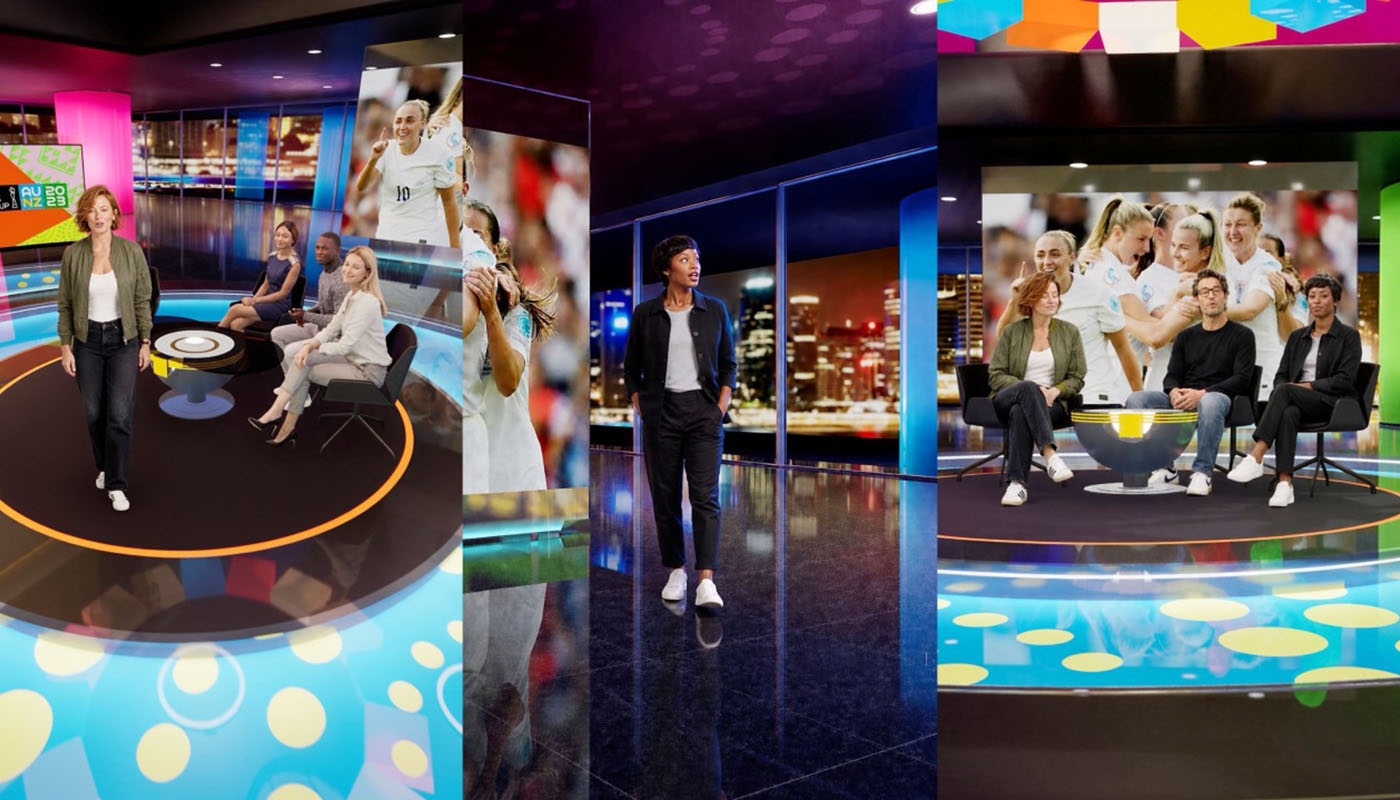
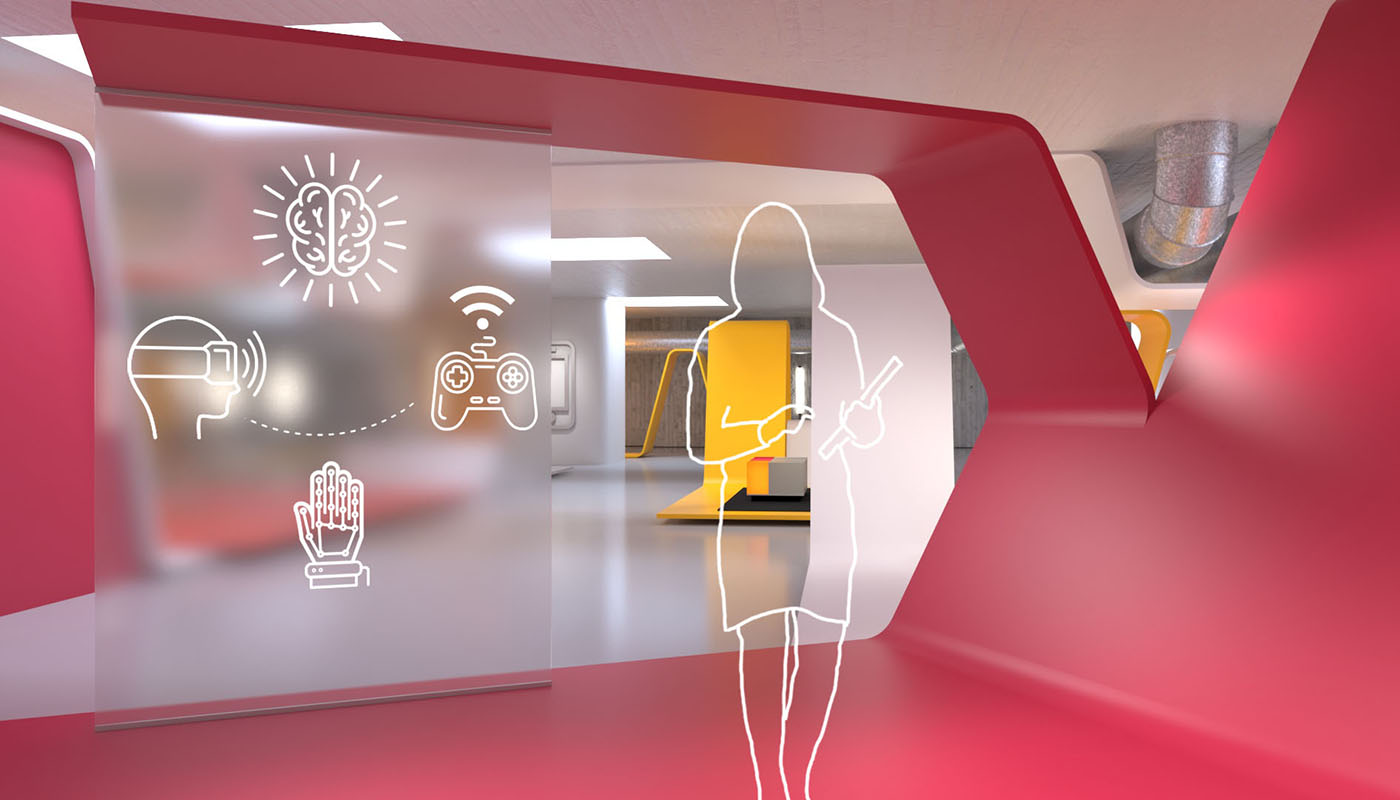

Lightwell designs virtual sets and virtual production environments for major broadcasters and global sporting events. Combining architectural design thinking with deep technical fluency, we create environments that are visually compelling, editorially flexible, and built to perform live. Clients include BBC, ITV, CNA, Bloomberg, Sky, and Discovery.
Read more