
A female newsreader sits at a physical desk within a greenscreen studio, but in place of the greenscreen we see a virtual studio and newsroom scene, achieved using the Tricaster system
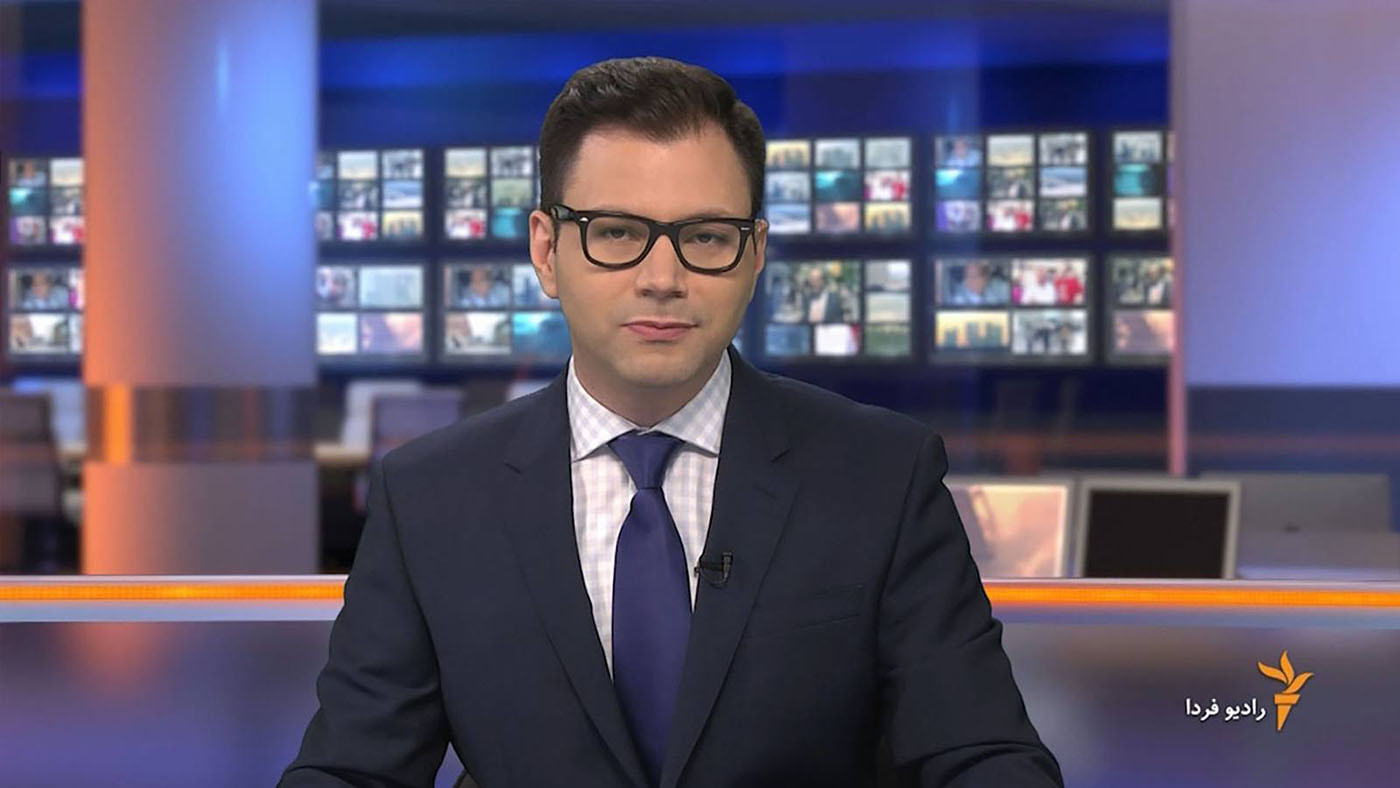
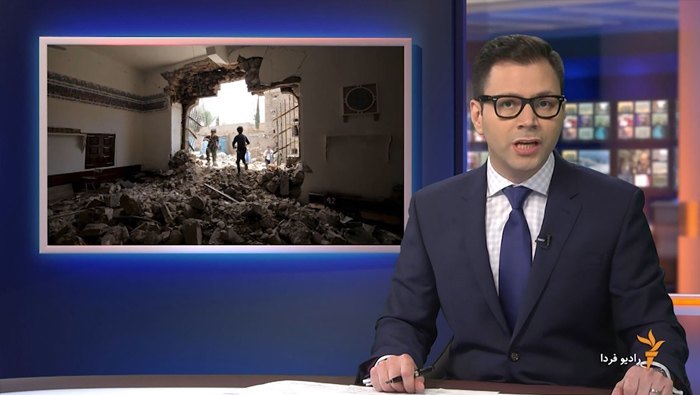
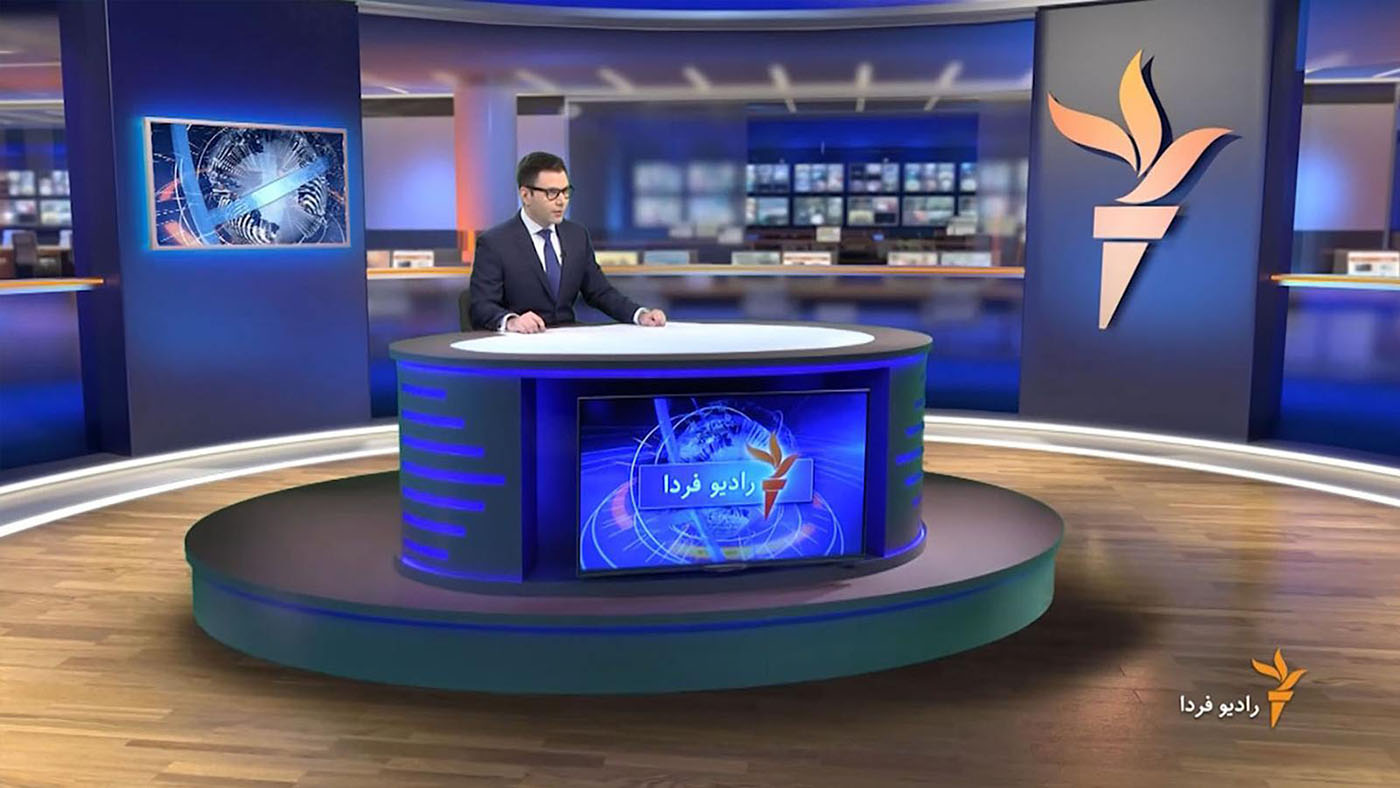
A male newsreader reads to the camera. In the background we see a virtual ewsrrom scene with architectural details and animated clips in the monitors.
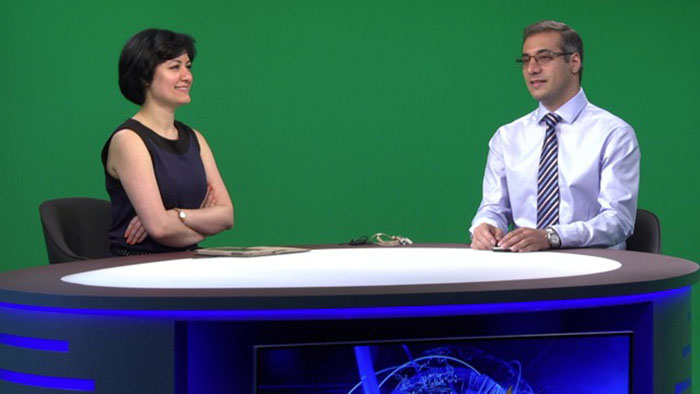
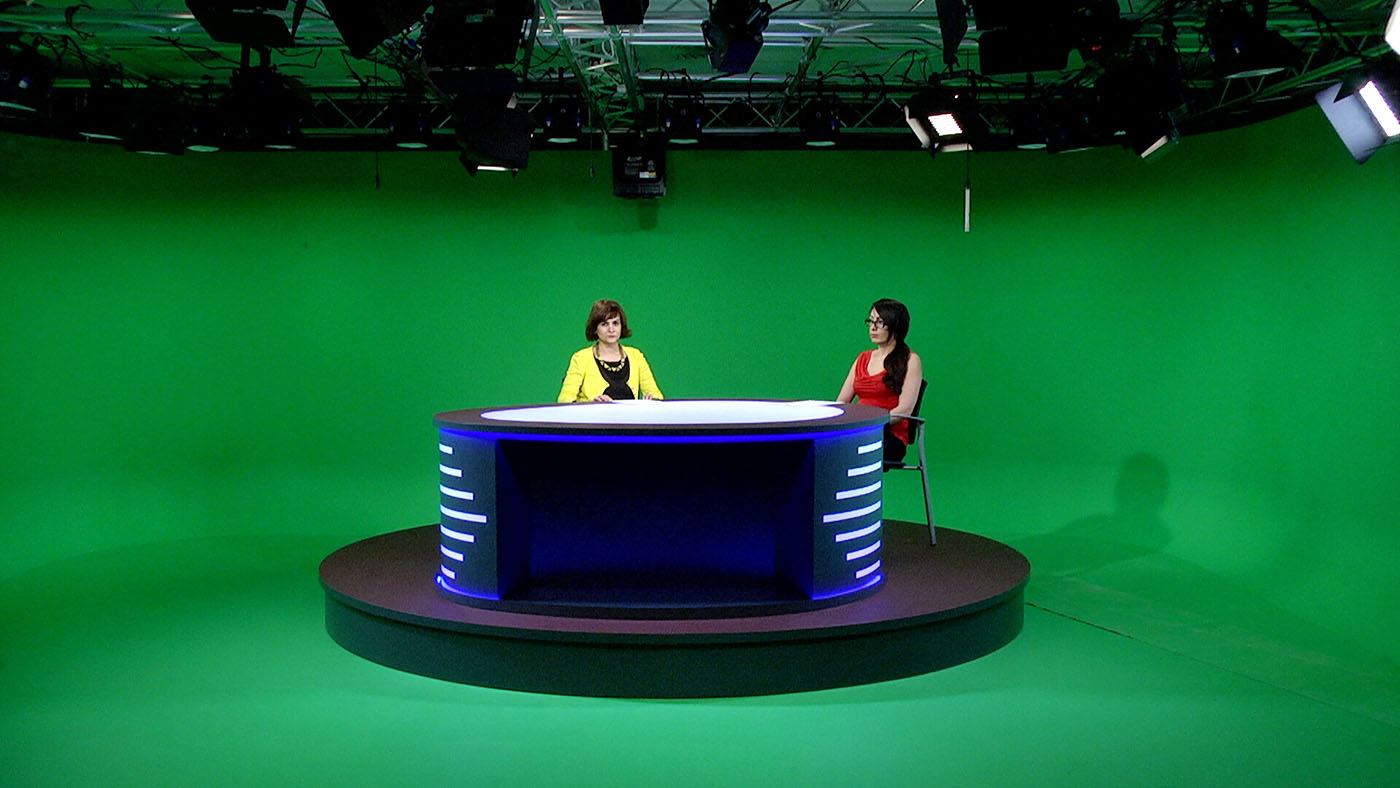
Two presenters sit at the desk. In the background, we see the greenscreen
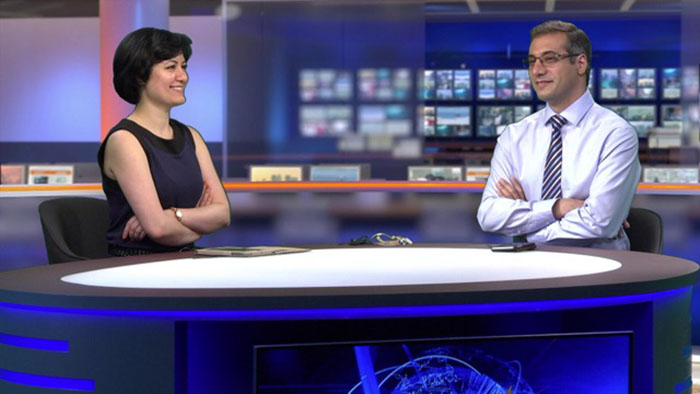
Two presenters sit at the desk. In the background, we see the virtual studio and newsroom achieved using using the Tricaster system
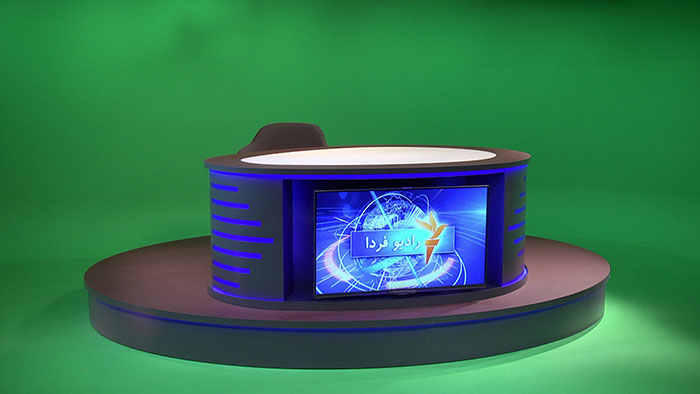
The desk sat within the greenscreen
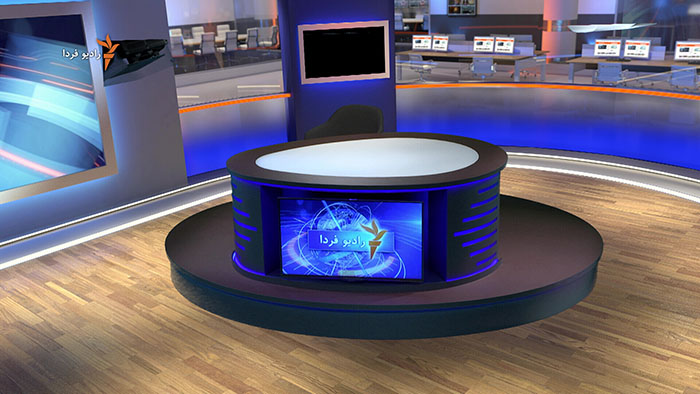
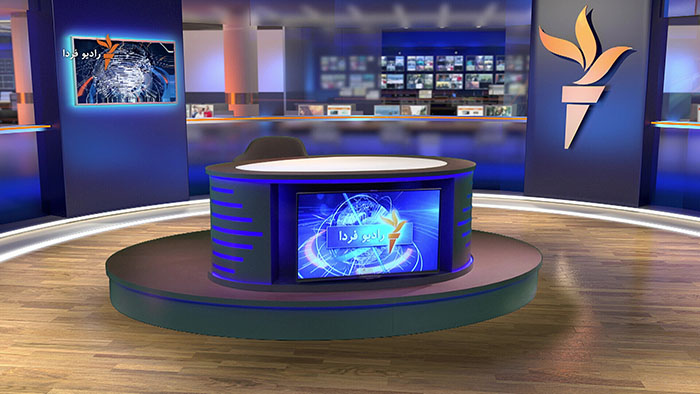
The desk sat within the virtual studio and newsroom. The Tricaster system has been used to "key" out the green colour and this as been replaced by a virtual set.

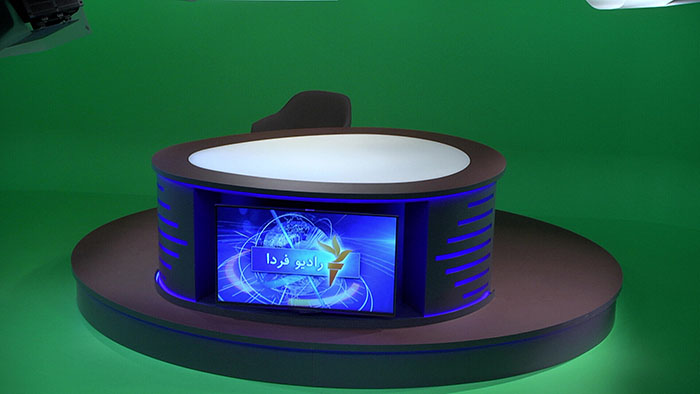
The desk shown in the greenscreen
The desk shown in the virtual studio
A male presenter in front of a virtual studio scene with a virtual creen displaying news footage behind his right shoulder
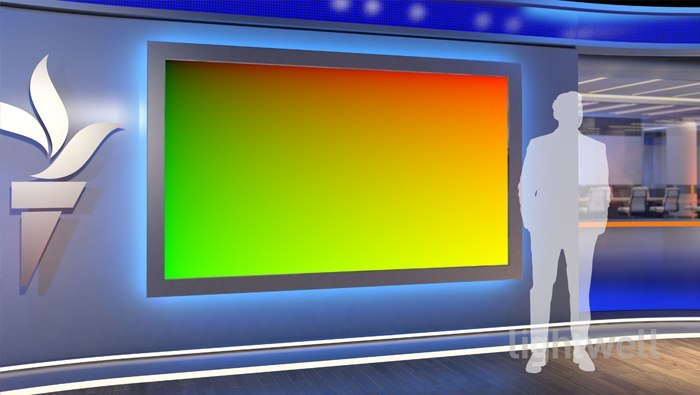
The Tricaster can also be used for standing presentations, as shown in the scene where a presenter stands at a large floor to ceiling virtual screen.
The Tricaster enables the greenscreen to be replaced with the detailed virtual studio and newsroom designed by Lightwell
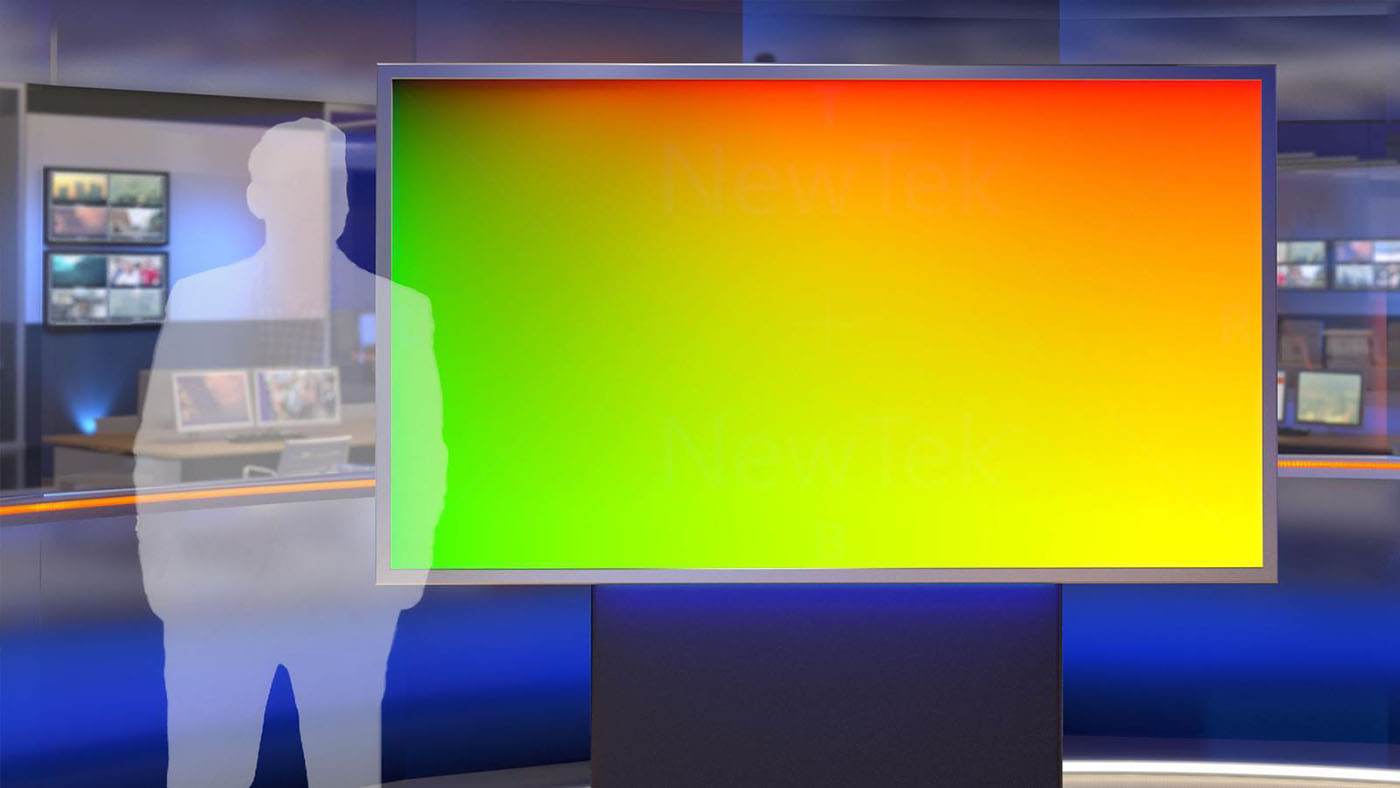
An alternate standing presentation option features a large screen fixed to a column. A smaller column, allows us to be closer to the presenter
The desk with two stand-in presenters within the greenscreen studio. The lighting grid is visible above the desk, illustrating the limited height available within the real studio

RFEL Farda: A Modern News Studio in Prague

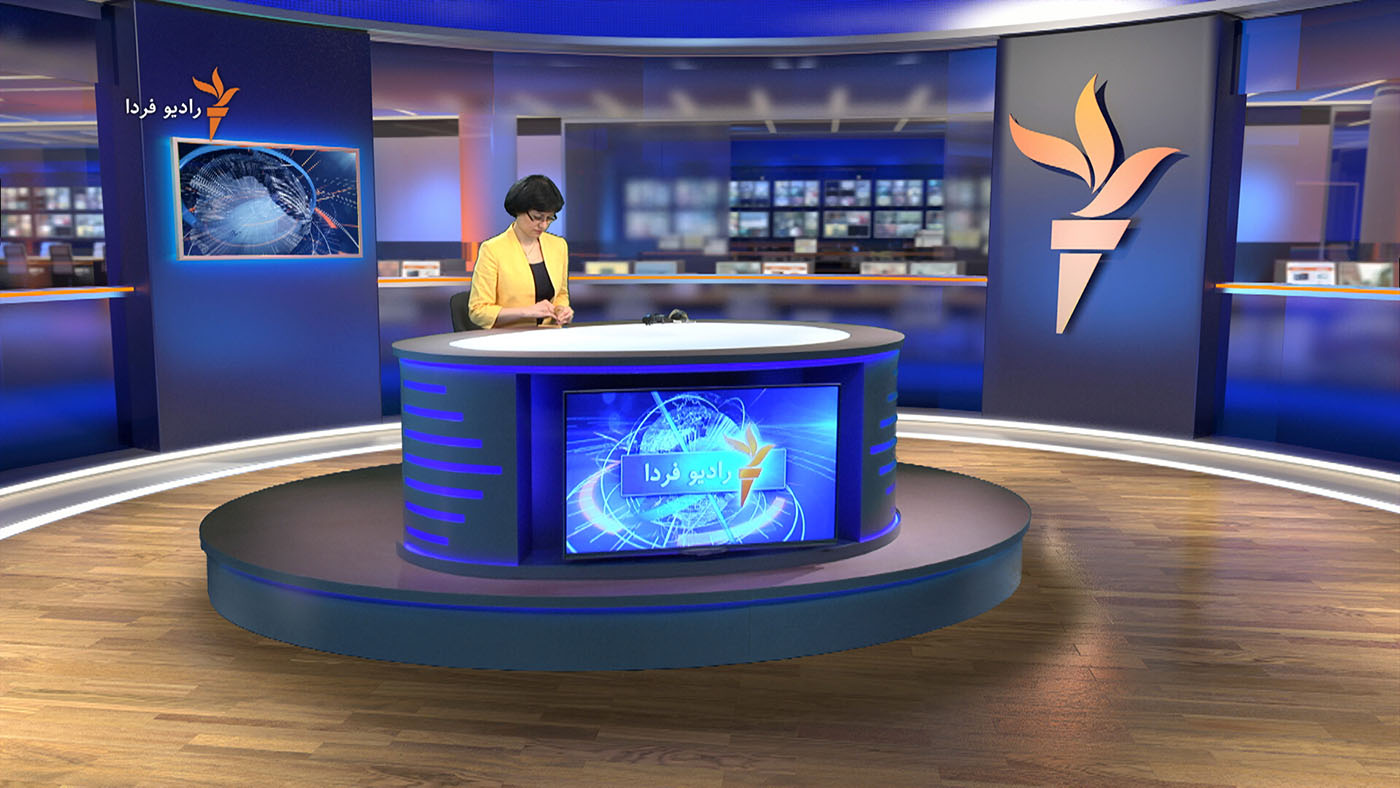
RFERL Farda is part of Radio Free Europe/Radio Liberty - the international broadcasting network with a long history of delivering independent news to audiences across the EMEA region. In 2015, RFERL approached Lightwell directly to design a virtual news studio for a greenscreen facility equipped with a Viz (previously Newtek) Tricaster. The studio, desk, and rostra were already in place. Everything else needed to be designed and built from scratch.
The Brief

The brief called for a modern news studio that felt embedded within a working newsroom - with the main camera positions backed by views into an active gallery space complete with monitor stacks. Lightwell's task was to make that vision credible, compelling, and physically achievable within the constraints of the Tricaster platform and the greenscreen studio.

The Design

The answer was a drum-shaped studio interior - a circular form with a glazed perimeter punctuated by solid blue structural elements, creating a sense of enclosure and depth while keeping the newsroom gallery visible beyond. The RFERL logo features an orange torch, and orange was introduced as a lighting detail inset into the structural elements - a considered accent that connected the set to the brand without overwhelming it. As with all colour decisions of this kind, restraint was everything. A little orange goes a long way.

Presenter positions were designed around RFERL Farda's specific shot requirements - mid-shots backed by the gallery monitor stacks, plus standing presentation areas integrated into the same studio setup, all achievable without reconfiguring the physical space between shots.

The Result

A professional, modern virtual news studio delivered within a tight timeframe and at a fraction of the cost of a physical build - for an internationally significant broadcaster, on a platform that rewards design ambition as much as any other. The design worked because every decision was made as if the set were going to be built for real.

Client

RFERL Farda

Virtual Set Design

Jim Mann, Lightwell

Platform

Viz Tricaster