
ABOUT
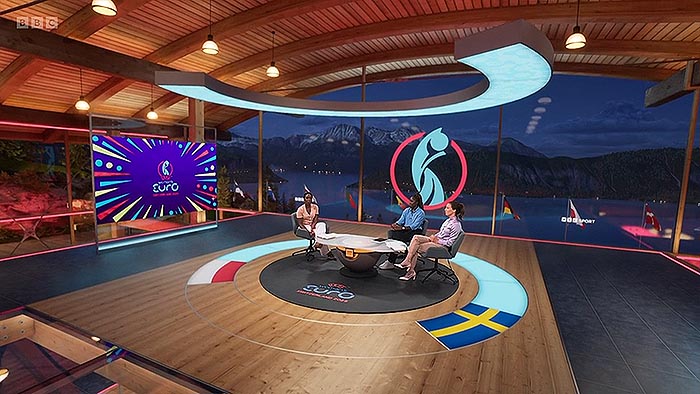
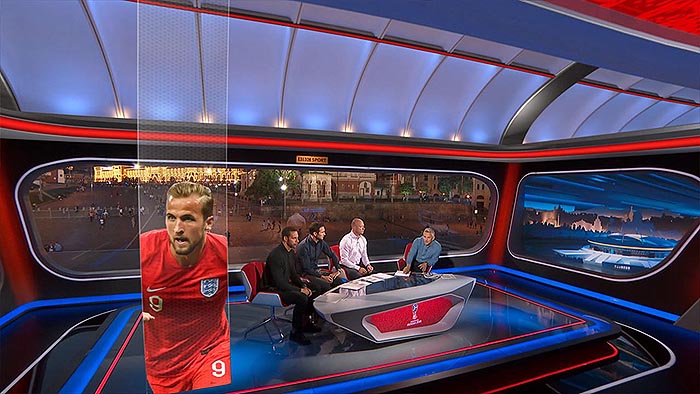
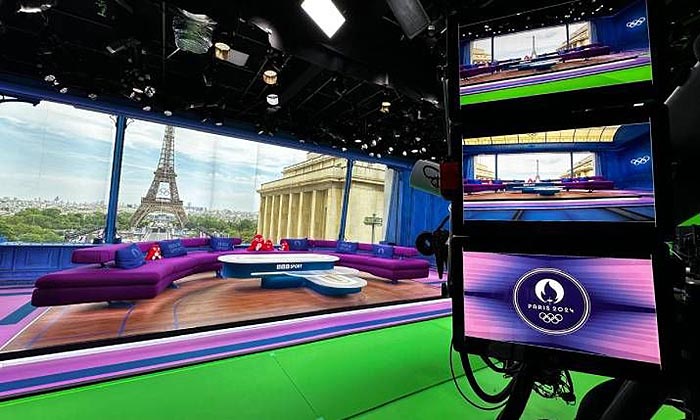
Great virtual sets are, first and foremost, great spaces. Lightwell designs them for some of the most watched broadcasters in the world, including BBC, ITV, and Sky, to name a few. Our unique approach of architectural and televisual design discipline, produces environments which are not just convincing, but genuinely beautiful. Most virtual sets look like virtual sets. Ours don't.
Background
Lightwell was founded by Jim Mann, though the route there was anything but direct.
Jim studied architecture at The Bartlett School of Architecture in London, and spent years working across demanding built environments in Hong Kong, Berlin, and London. As 3D and CGI tools emerged and evolved, he embraced them as a natural part of his design process, developing a fluency in digital techniques that would prove formative. Throughout that period he was drawn increasingly to light, understanding how it defines space, colour, and texture, and tells you where you are and what time it is. That interest never left him.
The move to television came by chance when the strength of his portfolio led to Jim being invited to work on backdrop designs for BBC News. That first commission opened a door, and he never looked back. Within a few years, Lightwell was producing designs for BBC, Sky, ITV, and more.
Jim studied architecture at The Bartlett School of Architecture in London, and spent years working across demanding built environments in Hong Kong, Berlin, and London. As 3D and CGI tools emerged and evolved, he embraced them as a natural part of his design process, developing a fluency in digital techniques that would prove formative. Throughout that period he was drawn increasingly to light, understanding how it defines space, colour, and texture, and tells you where you are and what time it is. That interest never left him.
The move to television came by chance when the strength of his portfolio led to Jim being invited to work on backdrop designs for BBC News. That first commission opened a door, and he never looked back. Within a few years, Lightwell was producing designs for BBC, Sky, ITV, and more.
On The Name
Jim wanted a name that described light and architecture together, and lightwell seemed perfect. It also works on another level: light well, because lighting a scene as well as it can possibly be lit has always been a fundamental aim of everything Lightwell does. Both meanings are intentional. Neither cancels the other out.
What Lightwell believes about design
At Lightwell, we believe that a virtual environment succeeds for exactly the same reasons a real building does: correct scale, real materials, logical structure, and light that behaves the way light actually behaves. Many virtual sets fall short because they are treated as backdrops rather than spaces, resulting in environments that look beautiful but feel wrong. We design every virtual space as if it were a real one. The difference is credibility, and it shows.
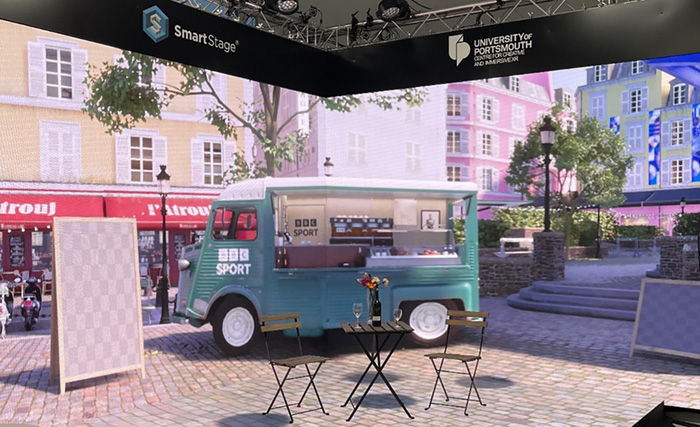
Lightwell grew out of architectural design, and that lineage shapes everything the studio does. Understanding how real buildings and spaces work - how they are structured and assembled, how they are lit, how they make you feel - is what makes virtual environments genuinely convincing rather than merely decorative. Real architecture is studied constantly, sometimes famous buildings, sometimes vernacular ones, to understand what gives them their character and atmosphere. When BBC's Tokyo Olympics set led us to develop designs for a timber pavilion, the team studied traditional Japanese timber framing and the work of contemporary architects like Kengo Kuma, referencing real-world examples to keep the virtual space honest. When BBC Sport needed a ski resort in an 84 square metre studio in Salford, the starting point was what a real mountain resort building would look like from the inside.
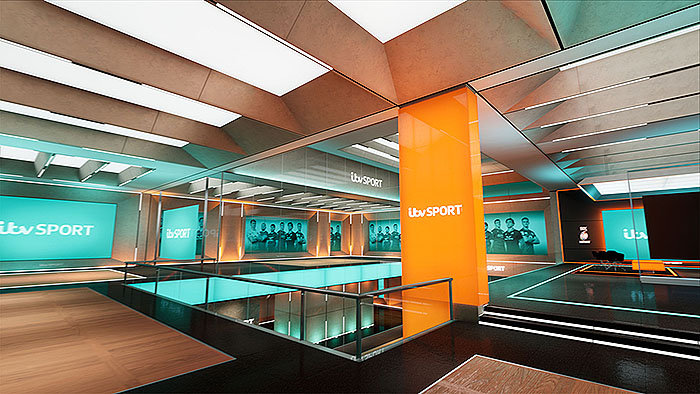
The result is environments that hold up, to close inspection, to wide shots, to dynamic camera movement, to the scrutiny of millions of viewers who may not know why something feels right, but know immediately when it doesn't.
That has been the standard since the beginning. If you're looking for a studio that treats every virtual set as an opportunity for genuinely compelling design, we should talk.
That has been the standard since the beginning. If you're looking for a studio that treats every virtual set as an opportunity for genuinely compelling design, we should talk.
If you’re planning a virtual production or exploring the benefits of virtual sets, please get in touch.

Jim Mann, Founder


Lightwell designs virtual sets and virtual production environments for major broadcasters and global sporting events. Combining architectural design thinking with deep technical fluency, we create environments that are visually compelling, editorially flexible, and built to perform live. Clients include BBC, ITV, CNA, Bloomberg, Sky, and Discovery.
Read more