More blogs
The Real World Behind The Virtual World
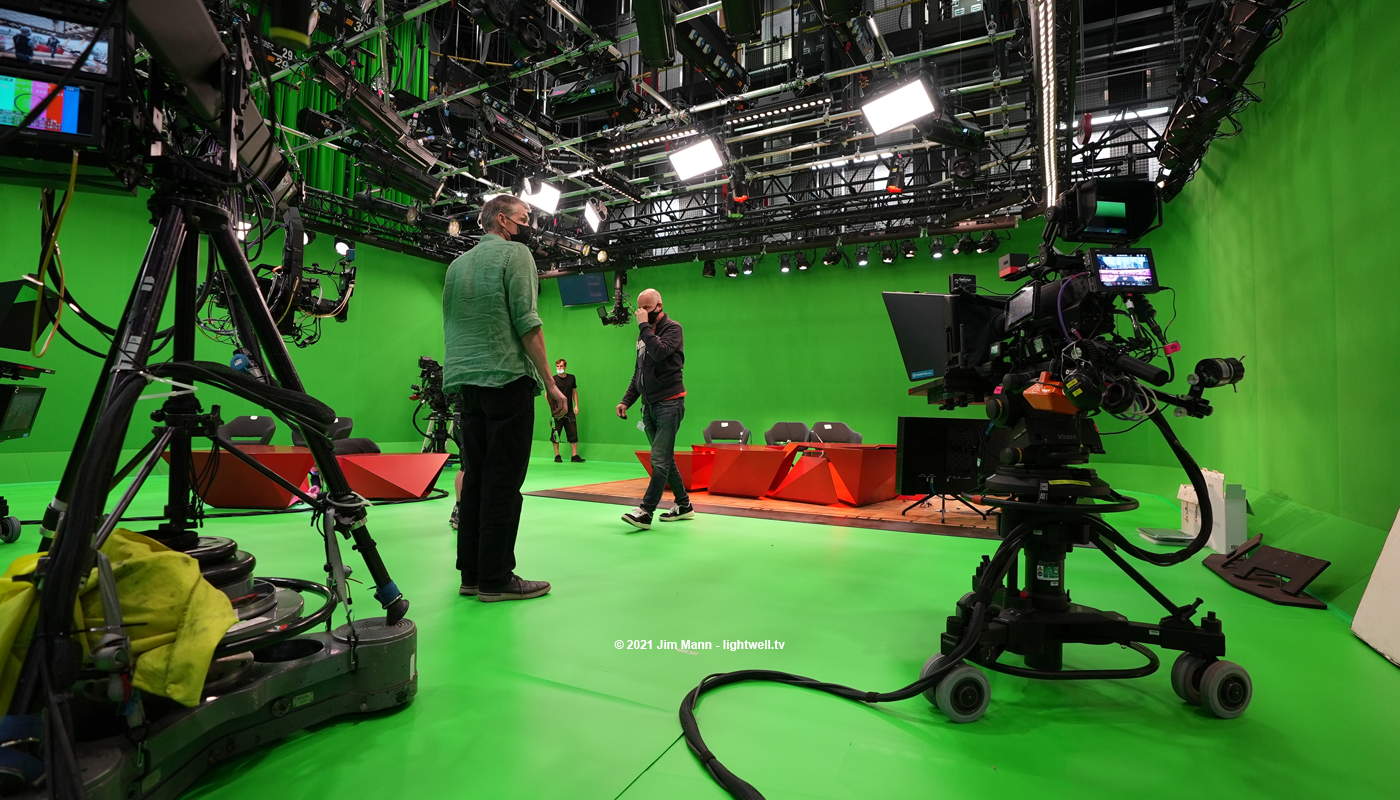
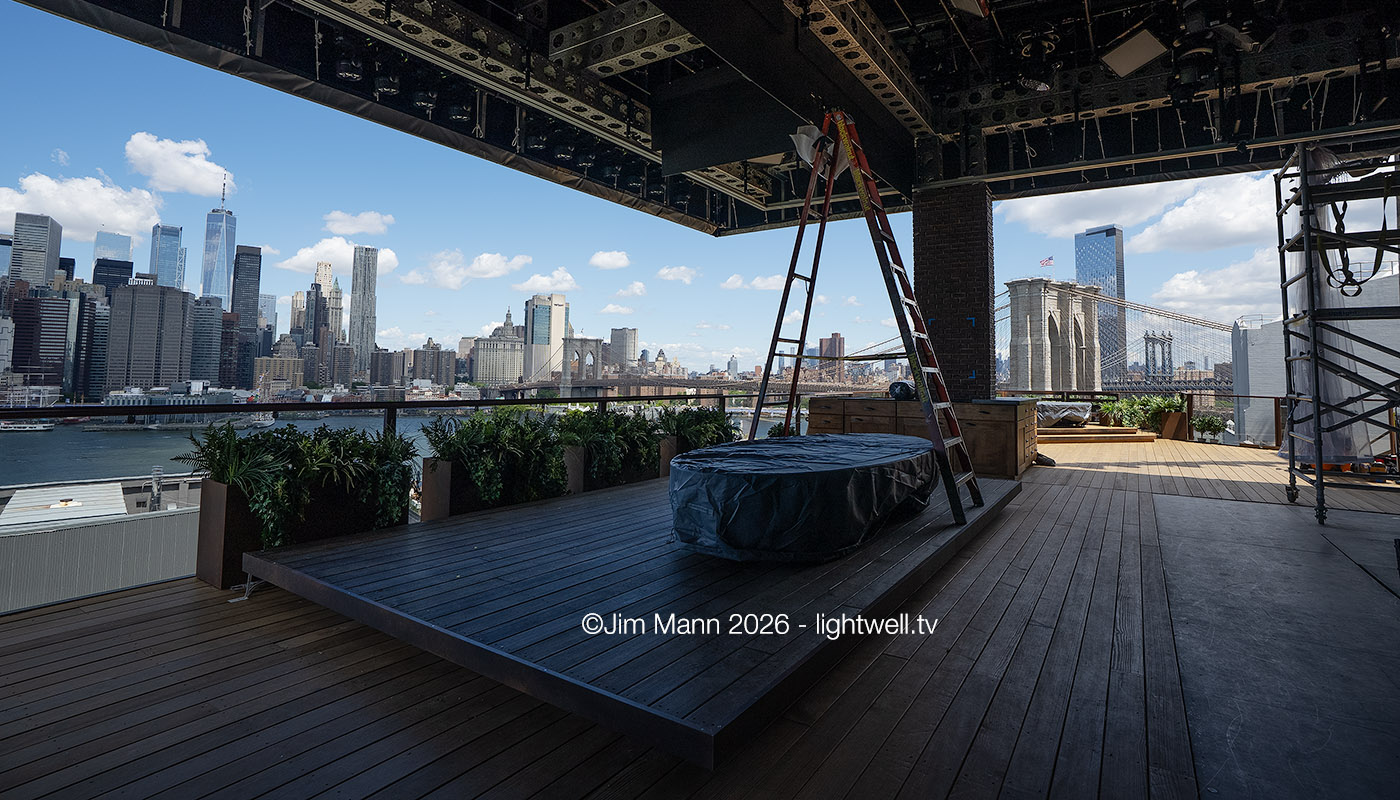
These photos show a stage in our process that most audiences will never witness. There are no sweeping virtual environments, no animated graphics, no polished on-screen illusions. At first glance, it looks like a construction site - and in many ways it was. But this was where the groundwork was laid for something far more refined. This was where imagination met engineering, and where vision met execution.
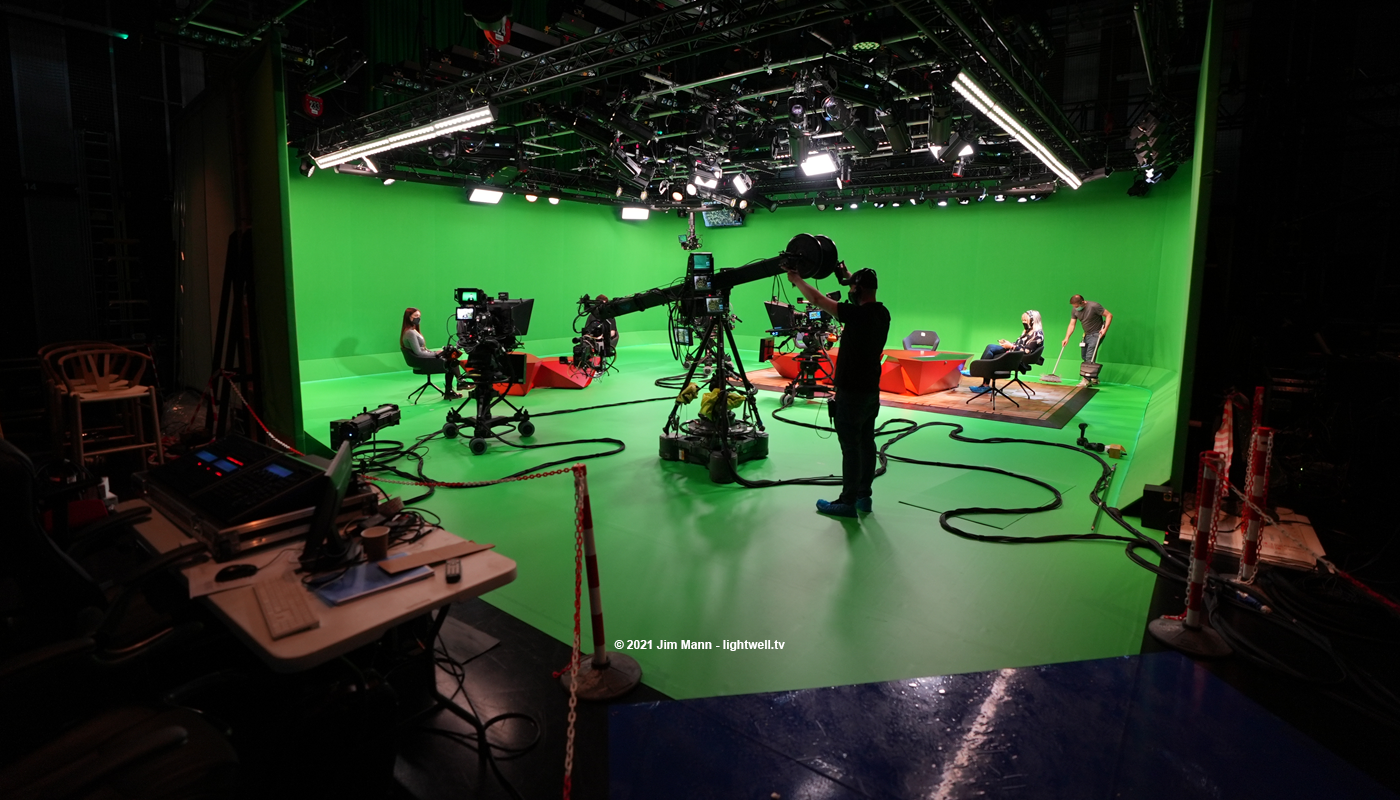

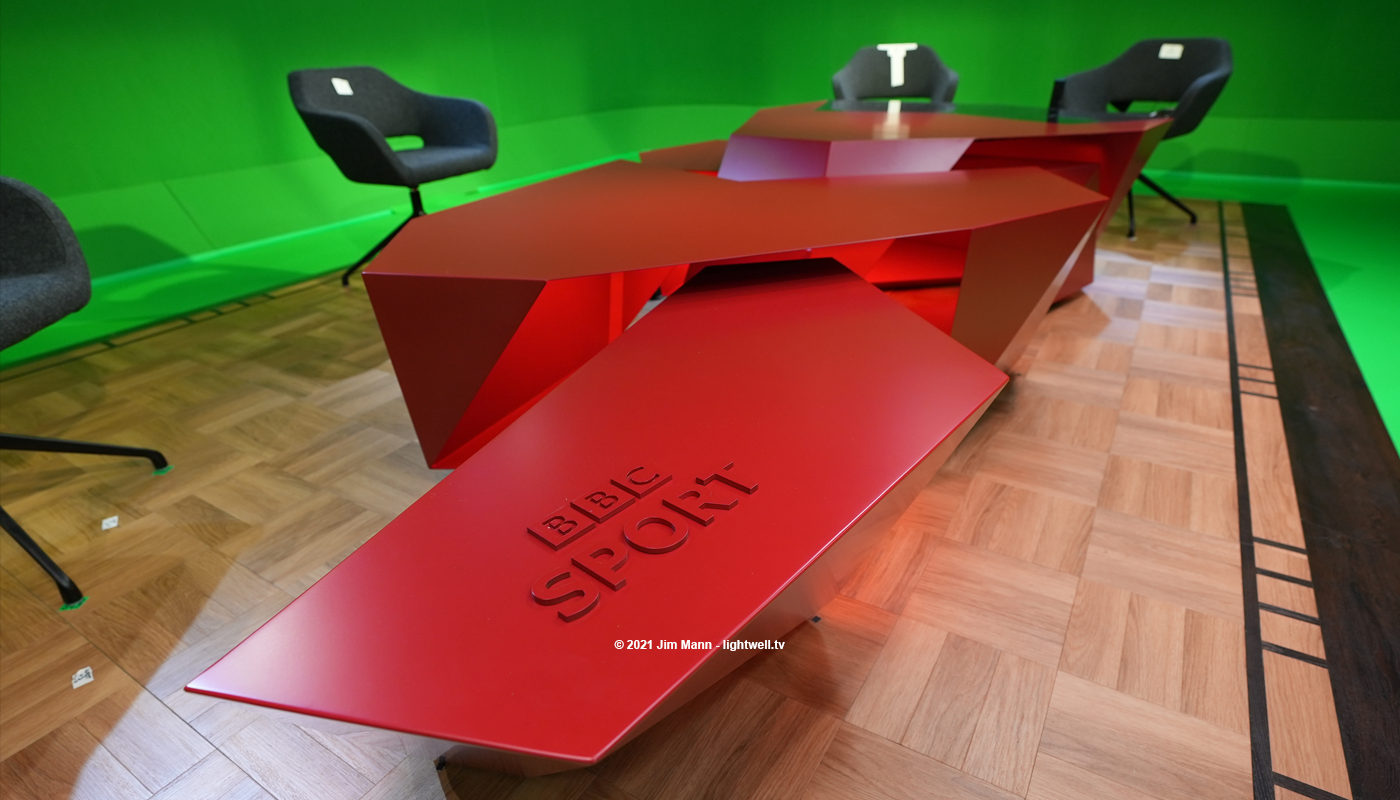
I took these photos during the final stages of assembling the BBC’s greenscreen virtual set for the Tokyo Olympic Games, back in 2021. They form a very personal record of the practical foundation that lies beneath our finished designs, and the talented team of individuals with separate but complimentary skills that work with singular focus to bring it all together on camera.
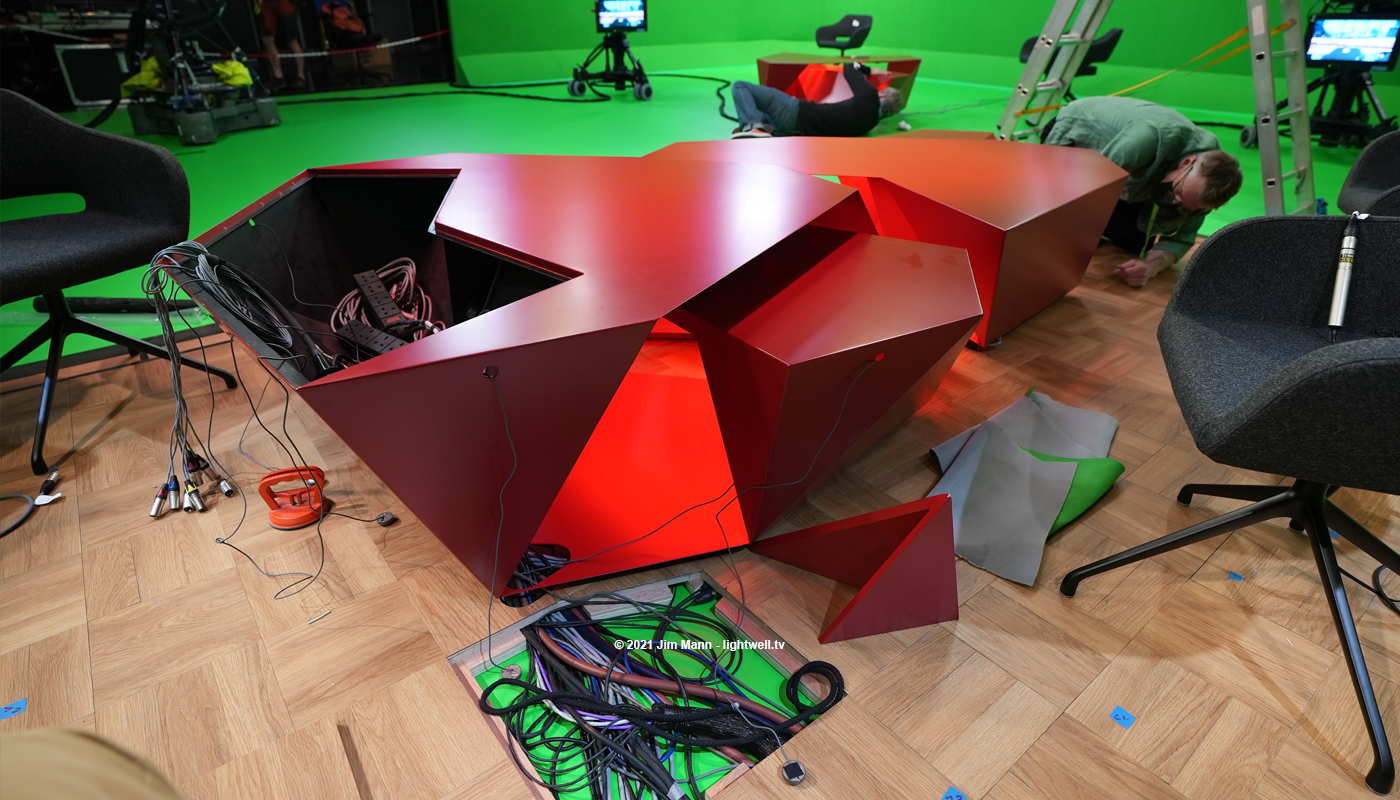
By this point, the studio was entirely green. Cameras, lights, practical set, and people, suspended inside a colour that insists on being temporary.
But I no longer saw it that way.
After so many hours immersed in a design, I am already standing inside the virtual set. The green has faded into the background of my vision, replaced by the space we have been shaping for months. I can feel where the structure will sit, where depth will open up, how the studio will breathe once the green has been keyed and gone.
For me, the virtual space becomes the real space.
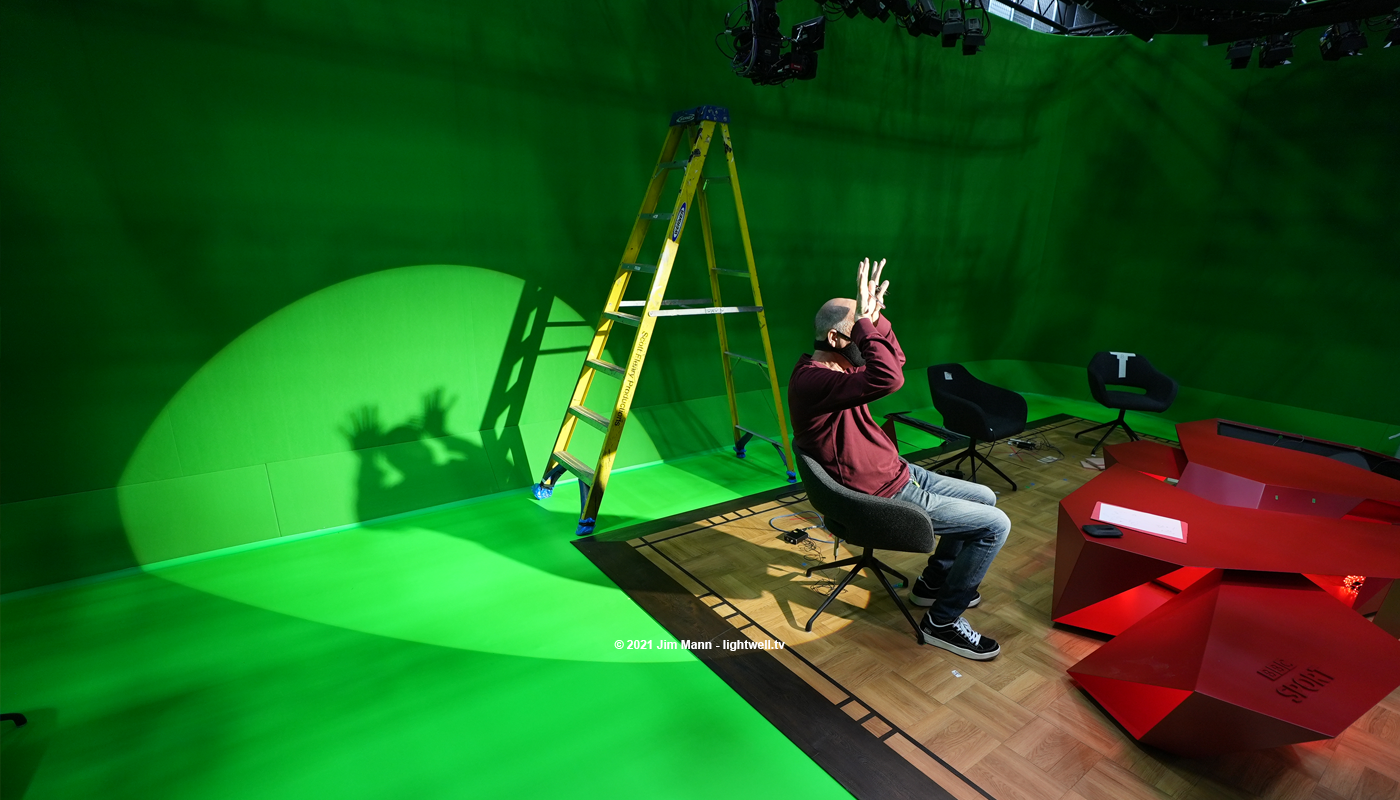
This stage of the process is quietly strange. To anyone walking in fresh, it’s a blank room waiting to be filled. To those of us who’ve lived with the design long enough, it’s already complete. We’re not imagining it anymore, we’re checking alignment between what exists physically and what exists conceptually.
Every camera move here passes through two versions of the same space. One measured in studio floor space, lenses and light levels. The other in scale, rhythm and atmosphere. The work happens in the overlap.
What I like about these images is that they capture a sense of that overlap. The tools are still out. The conversations are still practical. Yet the decisions being made are about a place that doesn’t physically exist, but very soon will.
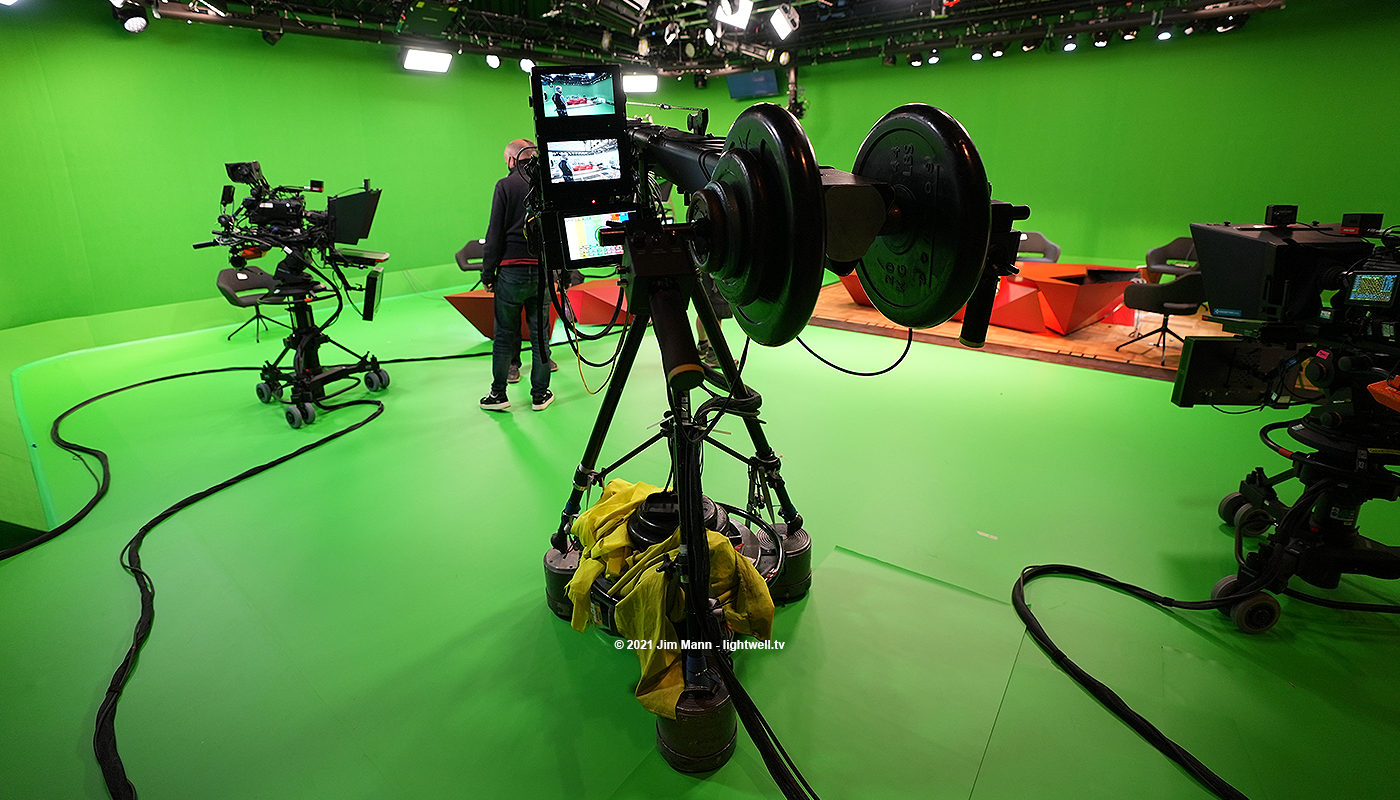
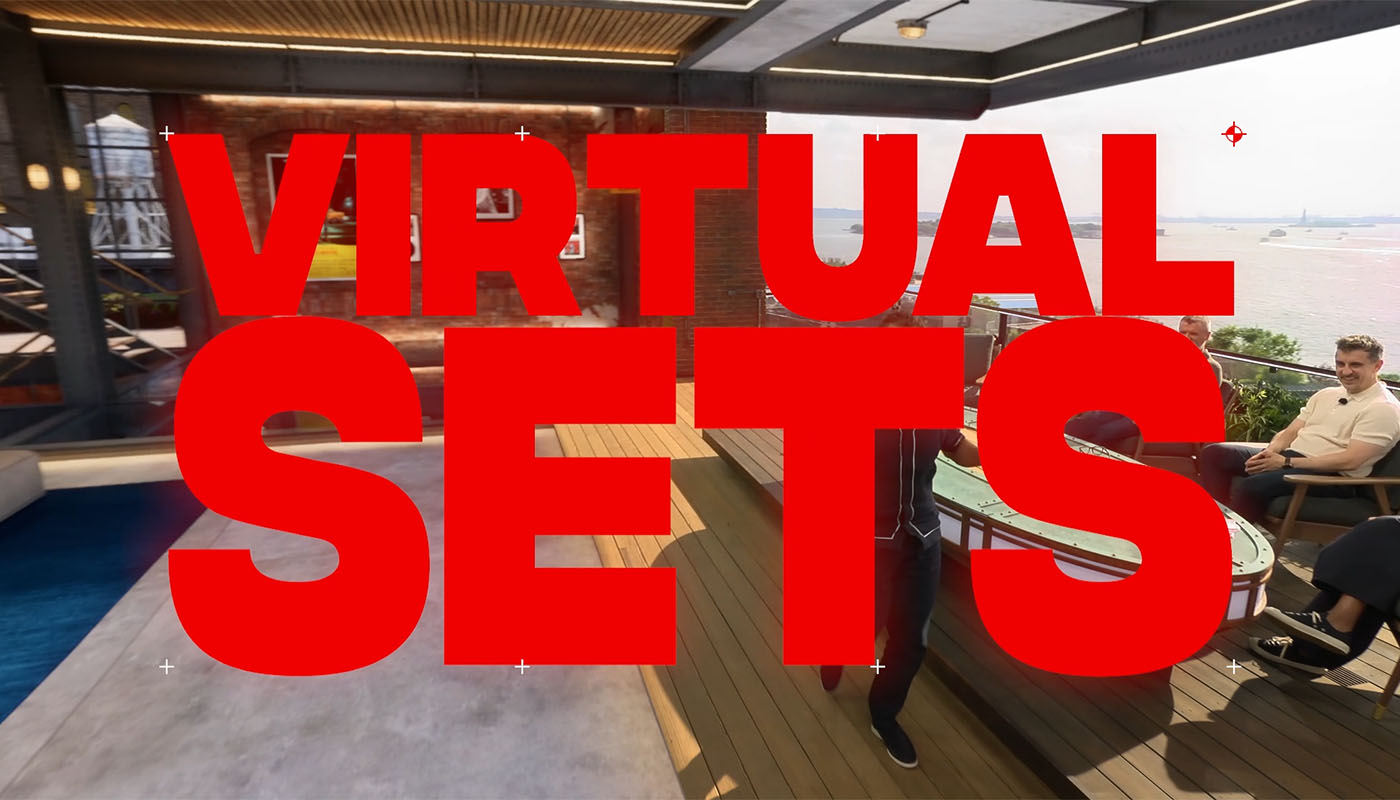
When the programme went to air, the illusion was seamless. The green disappeared, replaced by a finished world designed to feel grounded, intentional and effortless. The real achievement, though, happened earlier, in moments like this, when the virtual space stopped feeling virtual at all.
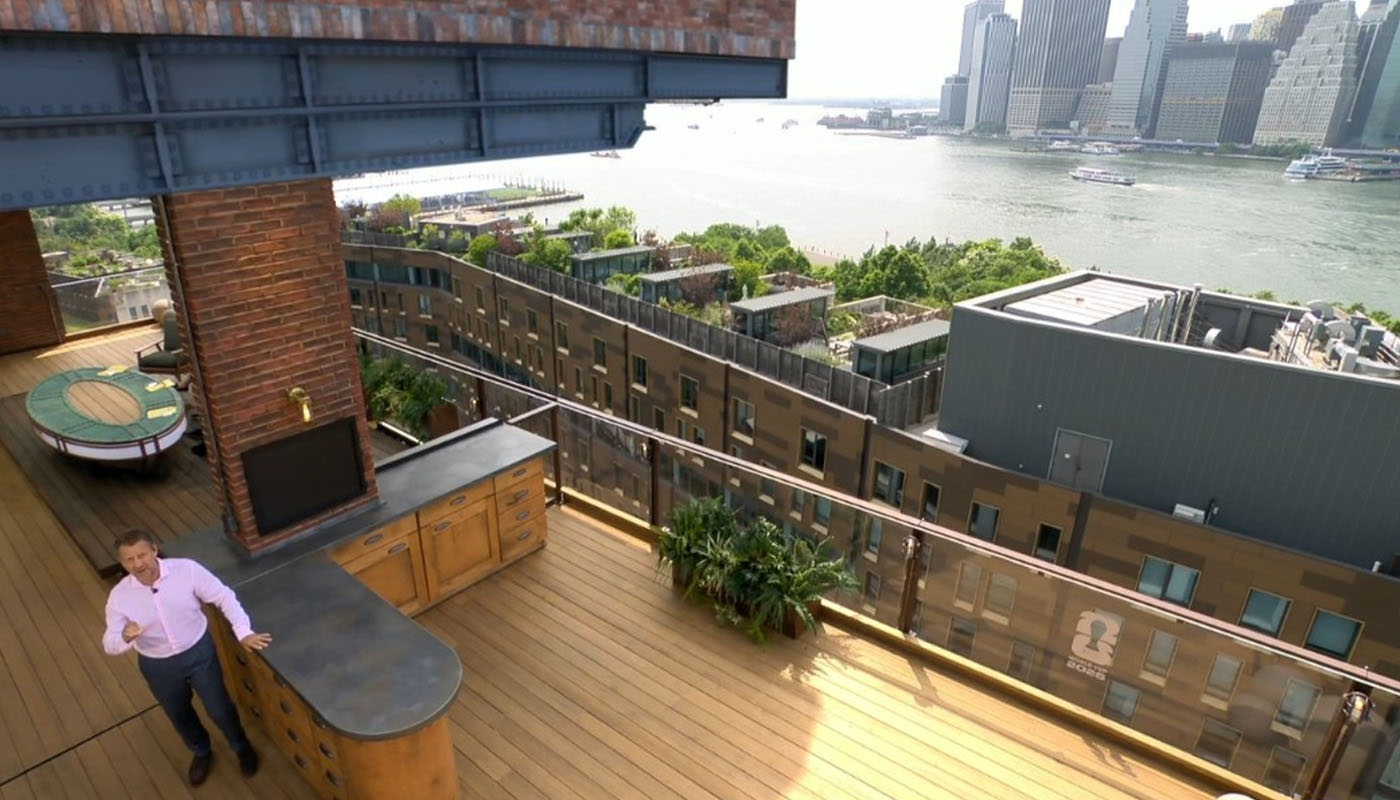
You can see how this green room ultimately transformed into the finished BBC Tokyo Olympics virtual set in our full case study here: BBC Tokyo 2020 Virtual Set Case Study
Jim Mann, Owner and Founder of Lightwell

Lightwell designs virtual sets and virtual production environments for major broadcasters and global sporting events. Combining architectural design thinking with deep technical fluency, we create environments that are visually compelling, editorially flexible, and built to perform live. Clients include BBC, ITV, CNA, Bloomberg, Sky, and Discovery.
Read more