


BBC Sport "Pres 2": The Studio That Changed Everything
The Brief and the Pitch
The brief was primarily practical: a disaster recovery studio for the main sports news output, with the flexibility to accommodate the breadth of BBC Sport's coverage that didn't have a dedicated studio of its own. What emerged was considerably more ambitious than that brief suggested - and the way the pitch was presented was itself a first.
With all travel and in-person meetings suspended, Lightwell and Toby Kalitowski of BK Design Projects presented their design to BBC Sport via a Teams call - taking the entire panel on a real-time walkthrough of the virtual interior using Unreal Engine. It was the first time BBC Sport had experienced a virtual set design in this way, and it was the first time Lightwell had presented a pitch entirely within a real-time 3D environment. In the circumstances of early lockdown, it felt like a glimpse of what was coming.
The Design Concept
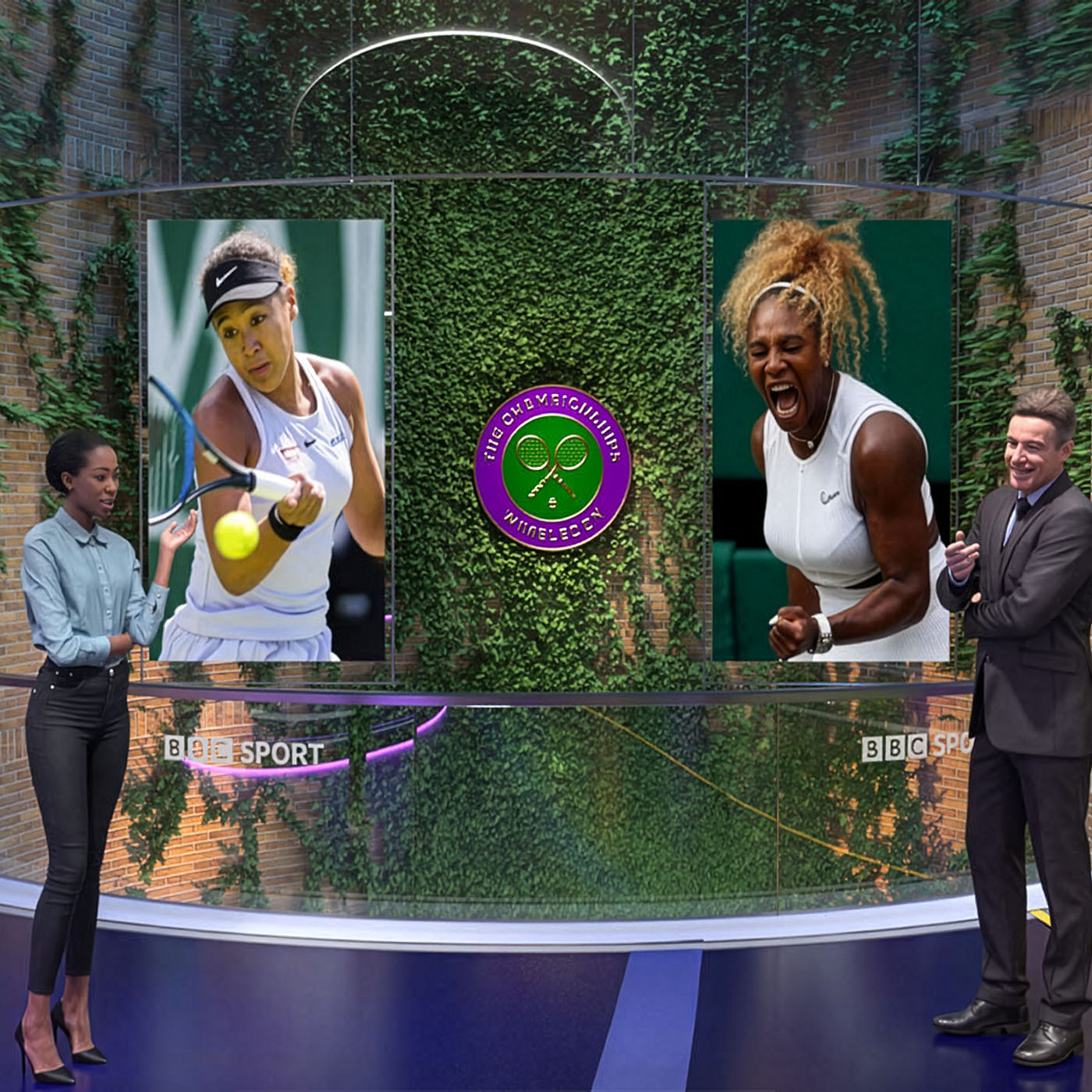
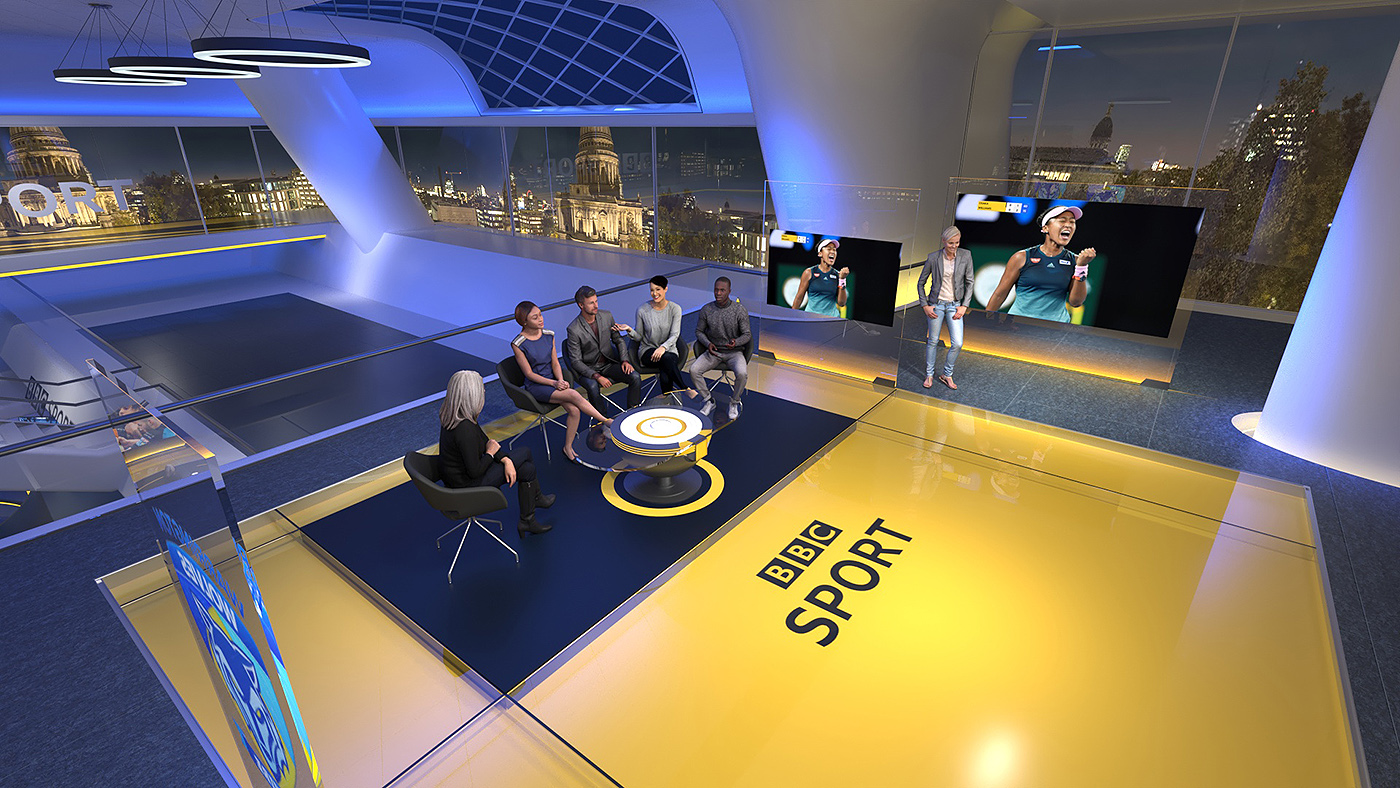
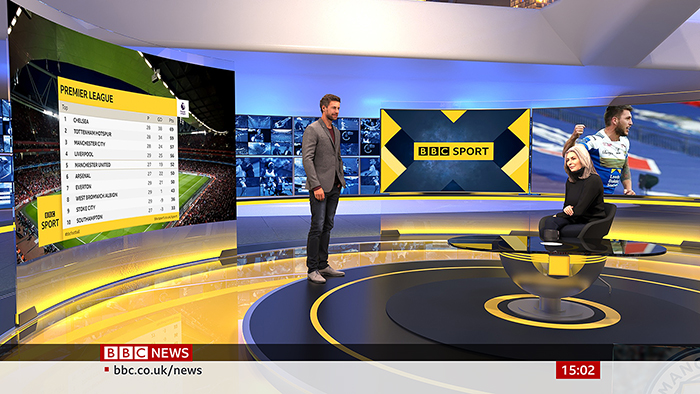
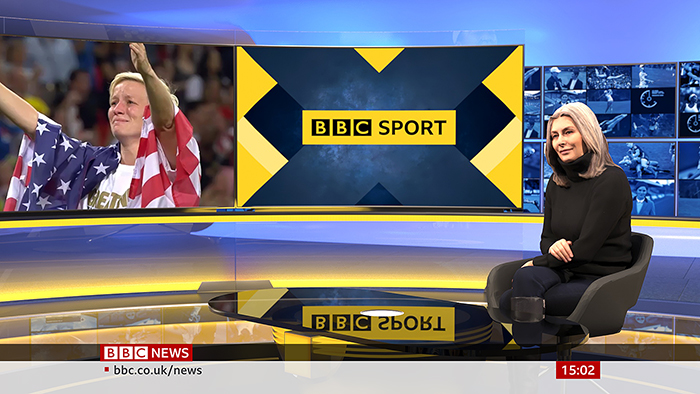
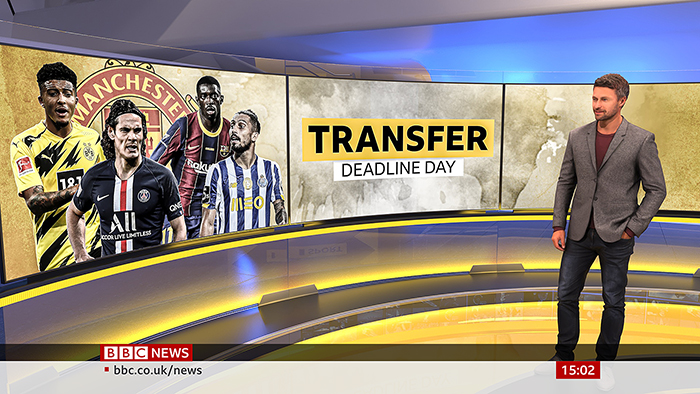
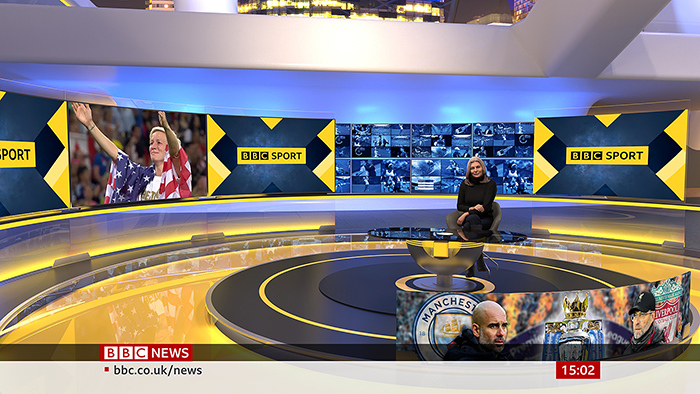
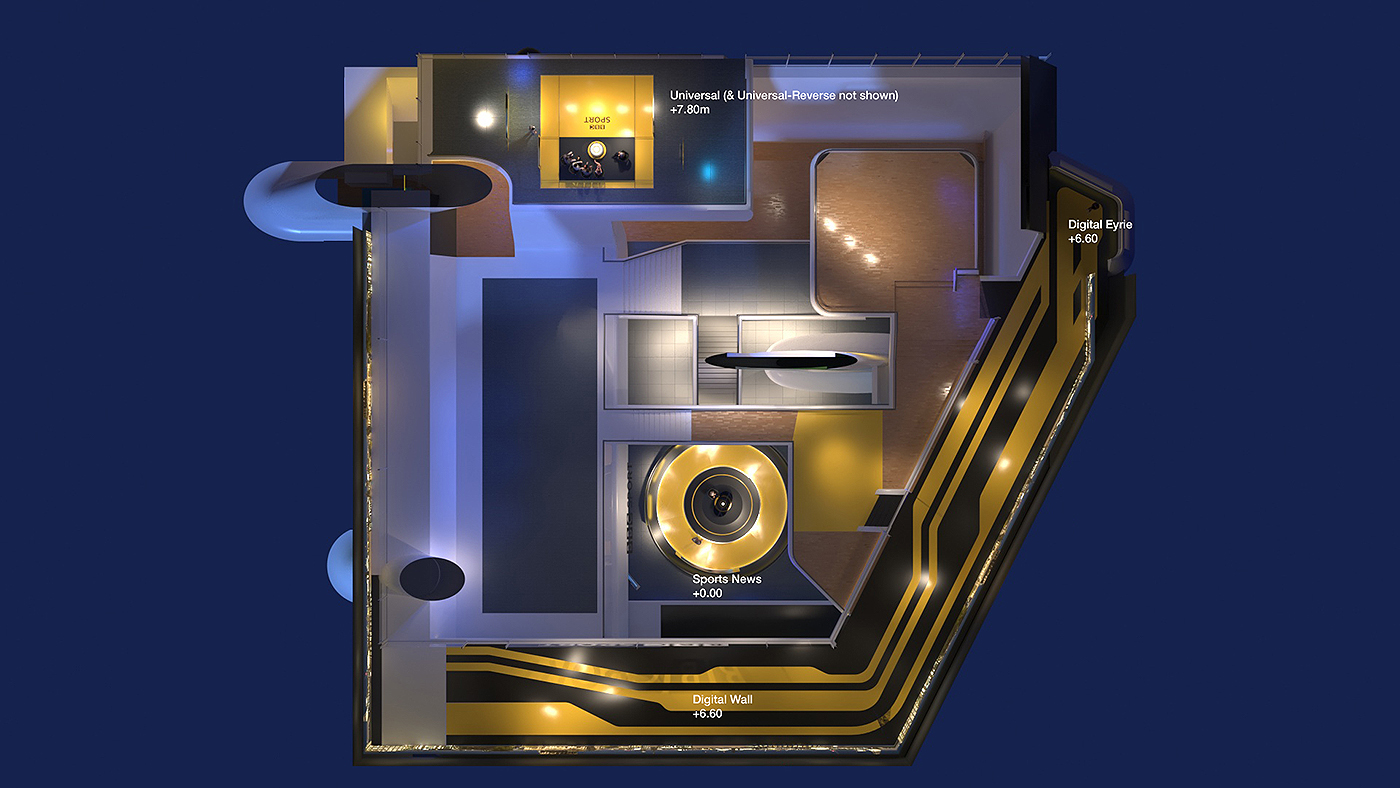
The brief called for a space that could serve multiple sports and multiple show formats without feeling generic or compromised. The answer was a campus - a spacious interior volume with different interconnected levels and spaces, each offering distinct presenting opportunities, all contained within a single coherent architectural idea. Where some of Lightwell's designs draw on specific architectural references, Pres 2 was guided by something less prescriptive: a commitment to modernity and flowing forms, a space that felt contemporary and open rather than rooted in any particular historical style. The result was five distinct presenting positions within a single virtual environment, each with its own spatial character, each capable of being dressed and adapted for different sports and show formats.
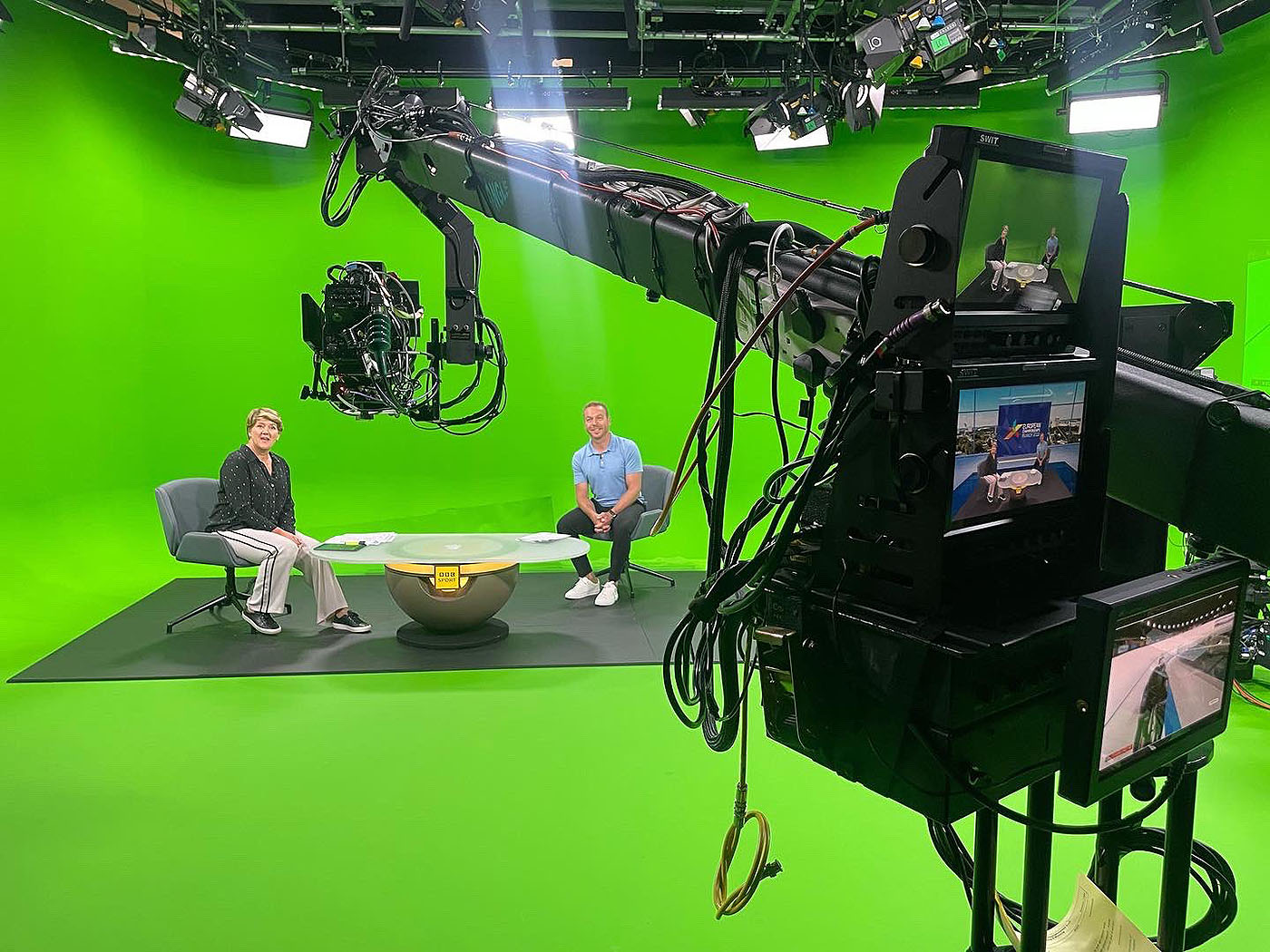
As John Murphy, Creative Director and Head of Graphics for Sport at the BBC, described it: "We had a small studio space at MediaCity which was not being used as much as we would have liked so we decided to convert it into a green screen space. With the virtual design and rendering technology we now have a studio that has five different presenting positions and is able to house a variety of our sports output."
A Technical First
Pres 2 was the first project to integrate Unreal Engine with Vizrt's Viz Engine 4 at this level of sophistication for live broadcast. Lightwell was a key participant in that process - working alongside BBC Sport, Vizrt, and Epic Games to develop, refine, and deliver this new integrated solution to screen. Vizrt's Viz Engine 4, with its integrated Unreal Engine 4 render pipeline and Fusion Keyer, was coupled with the Mo-Sys StarTracker six-axis optical tracking system across five cameras. The result was an operator-friendly workflow that allowed the production team to control both render pipelines through a single interface - seamlessly managing the virtual environment while remaining focused on the programme being made rather than the mechanics of how it was being rendered.
As Gerhard Lang, CTO of Vizrt, noted of the integrated system: "For us, the BBC set stands out both in looks and functionality. The studio provided an operator-friendly workflow that enables content change and provides viewers with meaningful information throughout the show."
Unreal Engine 4 operated as an additional render-blade within the Vizrt workflow, supporting multiple inputs, physically based rendering, and a wide range of photorealistic capabilities - capabilities that would directly inform how Lightwell approached every subsequent major production, including the Beijing Winter Olympics, which was developed directly from the Pres 2 virtual set design.
A Studio That Never Stops
Pres 2 launched in April 2021 and has been in near-continuous use ever since. Since launch it has hosted athletics, football, basketball, boxing, American football and the NFL, rugby, golf, the Euros, Wimbledon, Match of the Day, and the Tokyo and Beijing Olympics. It is, by any measure, one of the most productive virtual studios in British broadcasting - so consistently fully booked that finding time to test new designs within it for other major tournaments has become a challenge in itself.
The Result
A studio that began as a disaster recovery space and became one of BBC Sport's most valued production assets. Pres 2 demonstrated that a well-designed, technically sophisticated virtual studio could serve the full breadth of a major broadcaster's output - not as a compromise, but as a genuine creative and editorial tool. It also marked a pivotal moment in Lightwell's own development, as a project that brought together the BBC, Vizrt, and Epic Games around a shared ambition to push the boundaries of what live virtual production could achieve.
Client: BBC Sport
Design: Toby Kalitowski, Jim Mann, Lightwell
Realtime Engine: Unreal Engine 4.26
Studio Integration: BBC Sport in-house team
Realtime Engine: Unreal Engine 4.26
Powered by: Vizrt Viz Engine 4
Keying: Vizrt Fusion Keyer
Camera Tracking: Mo-Sys StarTracker (5 cameras)
Technology Partners: Vizrt, Epic Games
On Air: April 2021